

Teen Martial Arts 101: A Beginner Guide to Building Confidence in El Dorado Hills
If you're a parent in El Dorado Hills watching your teenager struggle with confidence, you're not alone. The teenage years bring unique challenges: peer pressure, academic stress, and the constant search for identity. While traditional sports and activities have their place, martial arts offers something different: a proven path to building unshakeable confidence that extends far beyond the training mat.
Let's explore how martial arts can transform your teen's self-perception and provide them with tools they'll use for life.
Why Martial Arts Builds Real Confidence in Teens
Confidence isn't something you can lecture into existence. It develops through repeated success, overcoming challenges, and proving to yourself that you're capable of growth. Martial arts creates the perfect environment for this transformation.
Unlike team sports where your teen might sit on the bench, martial arts ensures every student actively participates in their own progress. Each class presents opportunities to master new techniques, push physical boundaries, and develop mental resilience. When your teen successfully executes a technique they've been struggling with, or advances to the next belt level, they experience genuine accomplishment.
This isn't participation trophy confidence: it's earned confidence. Your teen learns they can set goals, work consistently toward them, and achieve real results. This mindset naturally transfers to school, relationships, and future challenges.
The Science Behind Martial Arts and Teen Development
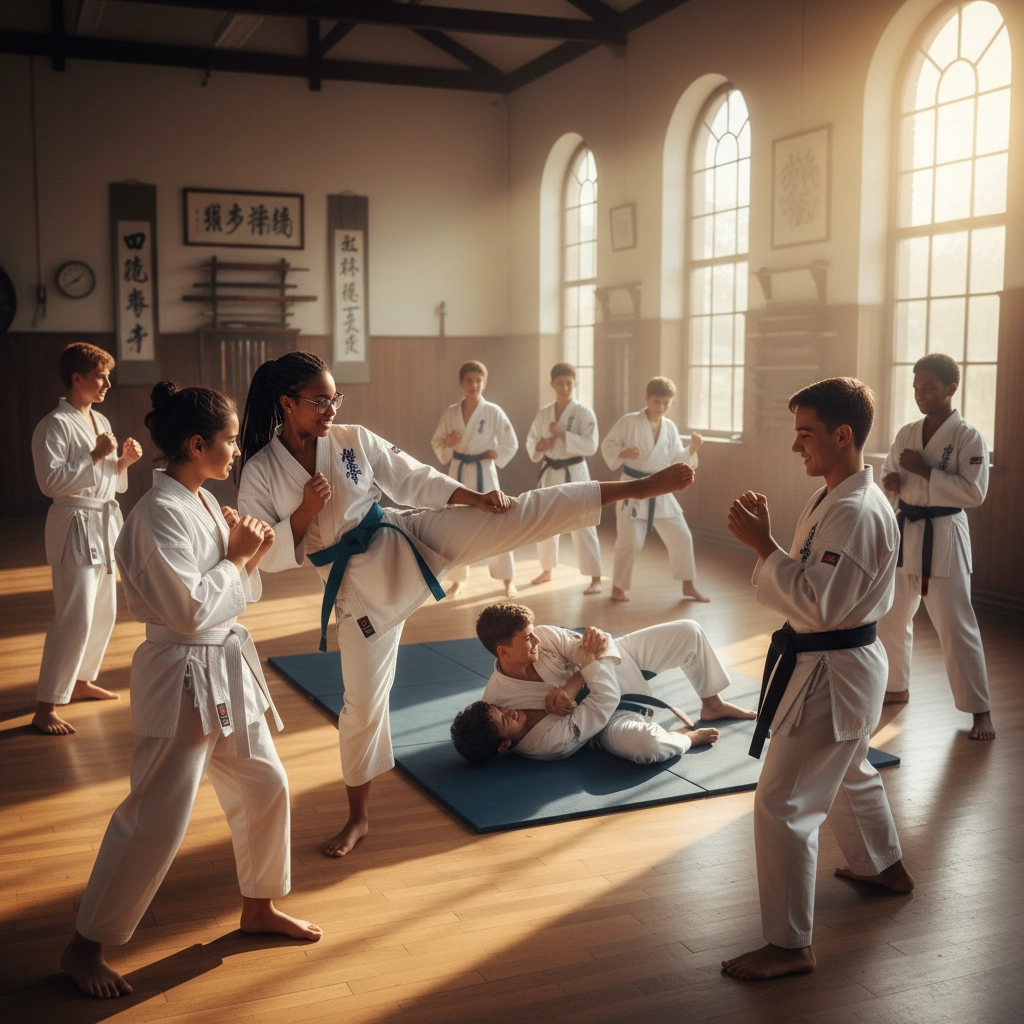
Research consistently shows that martial arts training produces measurable improvements in self-esteem, focus, and emotional regulation. When teens practice martial arts regularly, they develop what psychologists call "self-efficacy": the belief in their ability to handle whatever life throws their way.
The physical aspects matter too. Regular training improves coordination, strength, and body awareness. For teens who may feel awkward in their changing bodies, martial arts provides a positive relationship with physical activity and helps them feel more comfortable in their own skin.
The structured environment also appeals to teenagers who crave both independence and clear boundaries. They can push themselves and make choices within a framework that keeps them safe and supported.
What Your Teen Can Expect in Their First Martial Arts Class
Walking into that first class feels intimidating for most teens. Here's what typically happens to help ease those first-day nerves:
The Welcome Process: Instructors understand that new students feel nervous. They'll introduce your teen to other students and explain basic expectations. Most schools have a "buddy system" where experienced students help newcomers feel included.
Learning the Basics: Your teen won't be expected to know anything on day one. First classes usually cover basic stances, simple techniques, and school etiquette. The focus is on making everyone comfortable, not demonstrating advanced skills.
Physical Expectations: Classes typically run 45 minutes and include warm-up, technique instruction, practice time, and cool-down. Your teen will work up a sweat, but instructors modify intensity based on individual fitness levels.
Social Dynamics: Martial arts schools attract teens from diverse backgrounds united by common goals. The mutual respect inherent in martial arts training creates natural friendships and reduces typical teenage social pressures.
Choosing the Right Martial Arts Style for Your Teen
Different martial arts styles offer different benefits. Understanding these differences helps you and your teen make an informed choice:
Brazilian Jiu Jitsu excels at building problem-solving skills and mental toughness. It's often called "human chess" because success depends more on technique and strategy than raw strength. This appeals to teens who prefer intellectual challenges alongside physical ones.
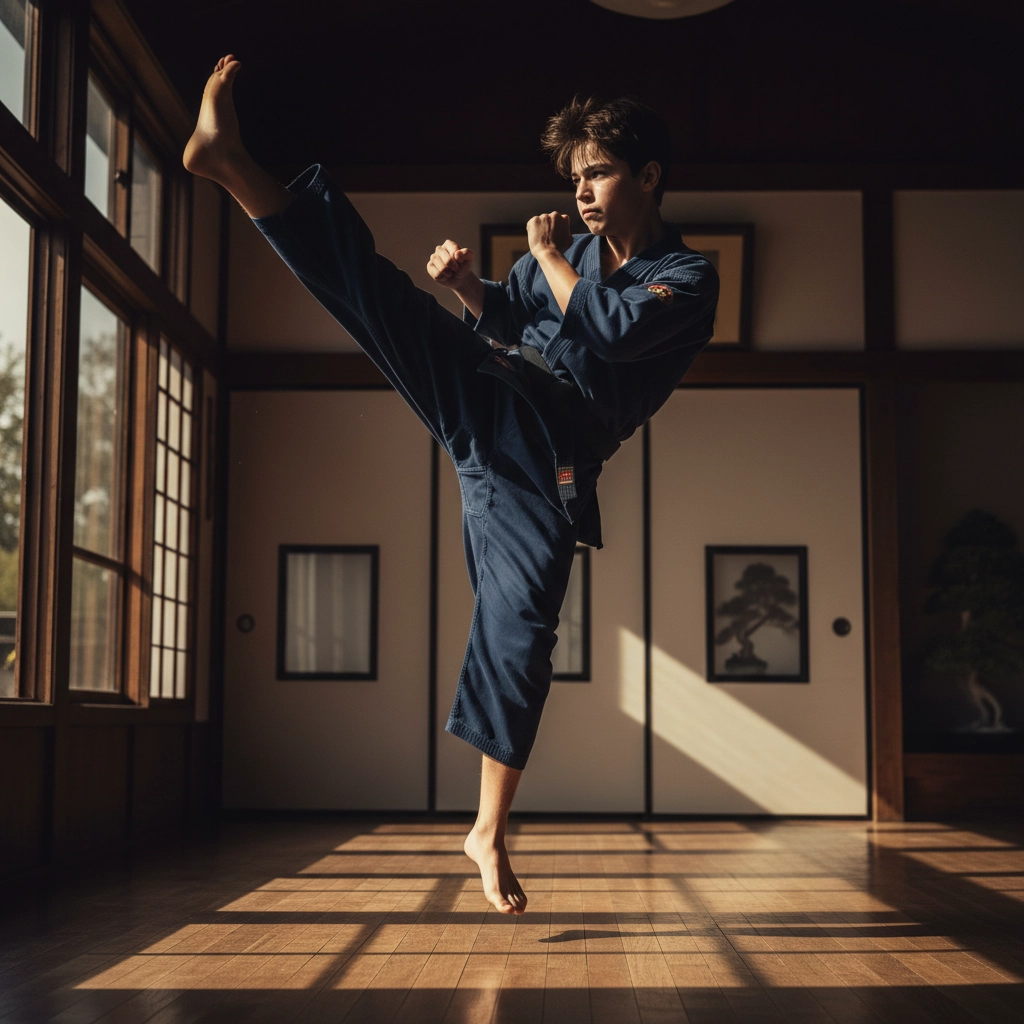
Traditional Martial Arts like Karate or Taekwondo emphasize discipline, respect, and personal development alongside fighting techniques. These styles often include philosophical elements that help teens develop character and emotional maturity.
Mixed Martial Arts combines techniques from multiple disciplines, offering variety and practical self-defense skills. This appeals to teens who want comprehensive training and enjoy learning different approaches.
Red Flags to Avoid When Choosing a School
Not all martial arts schools are created equal. Here's what to watch out for:
Pressure to Sign Long Contracts: Reputable schools let you try classes before committing to lengthy agreements. Be wary of high-pressure sales tactics or schools that won't let you observe classes.
Lack of Safety Protocols: Good schools prioritize proper technique over flashy moves. Instructors should emphasize control and provide appropriate protective equipment.
Adult-Only Focus: Some schools cater primarily to adults and treat teen classes as an afterthought. Look for programs specifically designed for teenage developmental needs.
Unrealistic Promises: Be skeptical of schools promising black belts in unrealistic timeframes or guaranteed results without consistent effort.
Getting Started: Your Action Plan
Ready to help your teen begin their martial arts journey? Follow these steps:
Step 1: Research Local Options: Start with schools near your home or your teen's school to make attendance convenient. Look up class schedules, read reviews, and check instructor credentials.
Step 2: Visit Multiple Schools: Don't choose based on website alone. Visit at least 2-3 schools during actual class times. Notice the atmosphere, instructor-student interactions, and overall energy.
Step 3: Let Your Teen Observe: Have your teen watch a class before deciding. They need to feel comfortable with the instructor's teaching style and connect with the school's culture.
Step 4: Ask the Right Questions: Inquire about class size, progression systems, costs, safety protocols, and what happens if your teen wants to compete (or doesn't want to compete).
Step 5: Start with Short-Term Commitment: Begin with a trial period or short-term membership. This removes pressure and lets your teen settle in naturally.
Martial Arts Options in El Dorado Hills
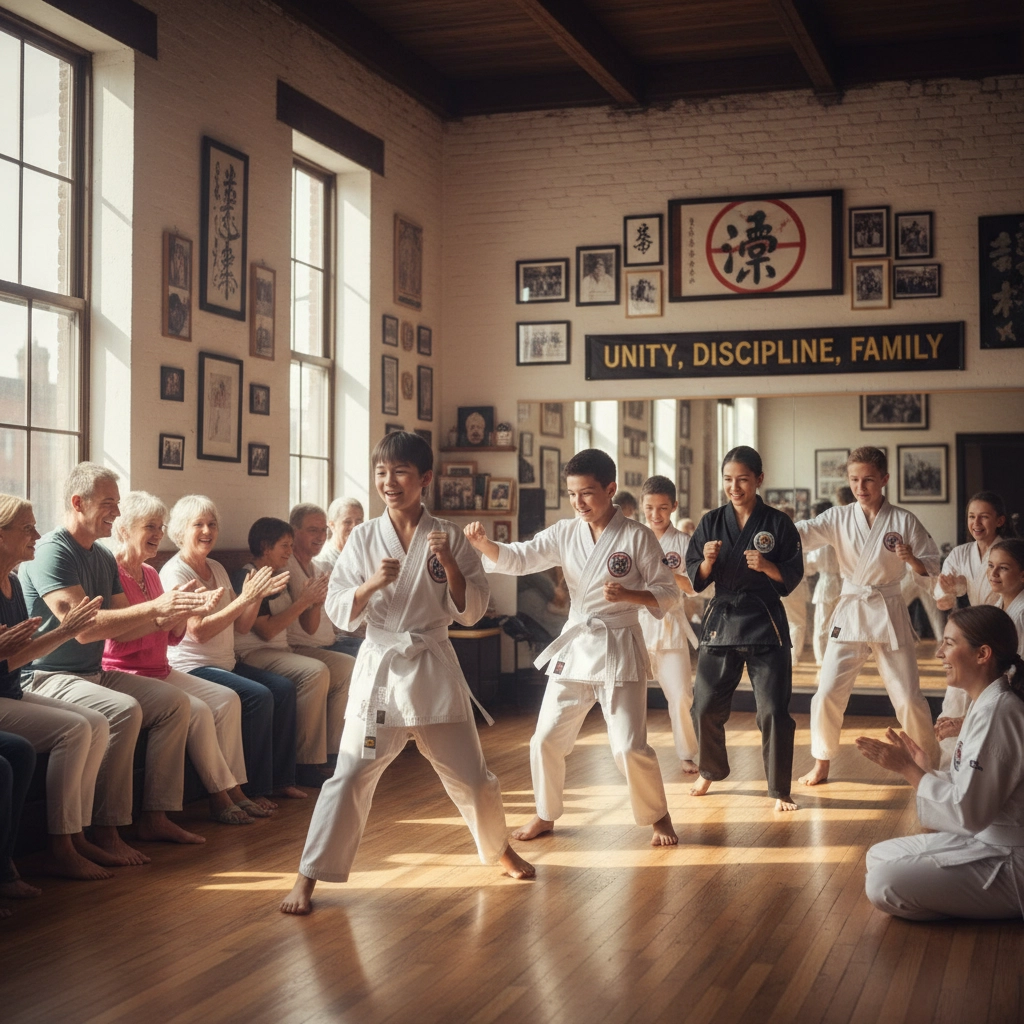
El Dorado Hills offers excellent martial arts opportunities for teens. West Coast World Martial Arts provides comprehensive programs designed specifically for teenagers, combining traditional martial arts values with modern training methods.
Local schools focus on creating positive, encouraging environments where teens can develop at their own pace. Many offer flexible scheduling to accommodate busy student schedules and provide family-friendly atmospheres that make parents feel confident about their choice.
When researching local options, prioritize schools that emphasize personal development alongside physical skills. The best programs help teens build confidence, discipline, and leadership abilities they'll use throughout their lives.
Supporting Your Teen's Martial Arts Journey
Your involvement matters more than you might think. Here's how to be supportive without being overbearing:
Show Interest Without Pressure: Ask about what they learned, but don't interrogate them after every class. Let them share their experiences naturally.
Respect Their Process: Some teens progress quickly, others need more time. Avoid comparing your teen to other students or pushing them to advance faster than feels comfortable.
Celebrate Small Wins: Notice improvements in confidence, focus, or physical ability. These matter more than belt promotions or tournament trophies.
Trust the Process: Martial arts benefits develop gradually. Give your teen at least 3-6 months of consistent training before evaluating whether it's the right fit.
The Long-Term Benefits You Can Expect
Teens who stick with martial arts training typically experience profound personal growth. They develop better posture, improved focus in school, and increased willingness to try new challenges. Many parents report their teens become more respectful, responsible, and confident in social situations.
Perhaps most importantly, martial arts gives teens tools for handling stress and conflict throughout their lives. They learn to stay calm under pressure, think before reacting, and approach problems with confidence rather than anxiety.
The physical skills are valuable, but the mental and emotional growth often proves more transformative. Your teen will learn they're capable of more than they imagined, and that confidence becomes the foundation for future success in whatever path they choose.
Starting martial arts as a teenager isn't just about learning to defend yourself: it's about discovering who you're capable of becoming. Take that first step and give your teen the opportunity to surprise themselves with their own strength, resilience, and potential.
Comments