

Can Kids Martial Arts Build Confidence Without Making Them Aggressive? Here's the Truth
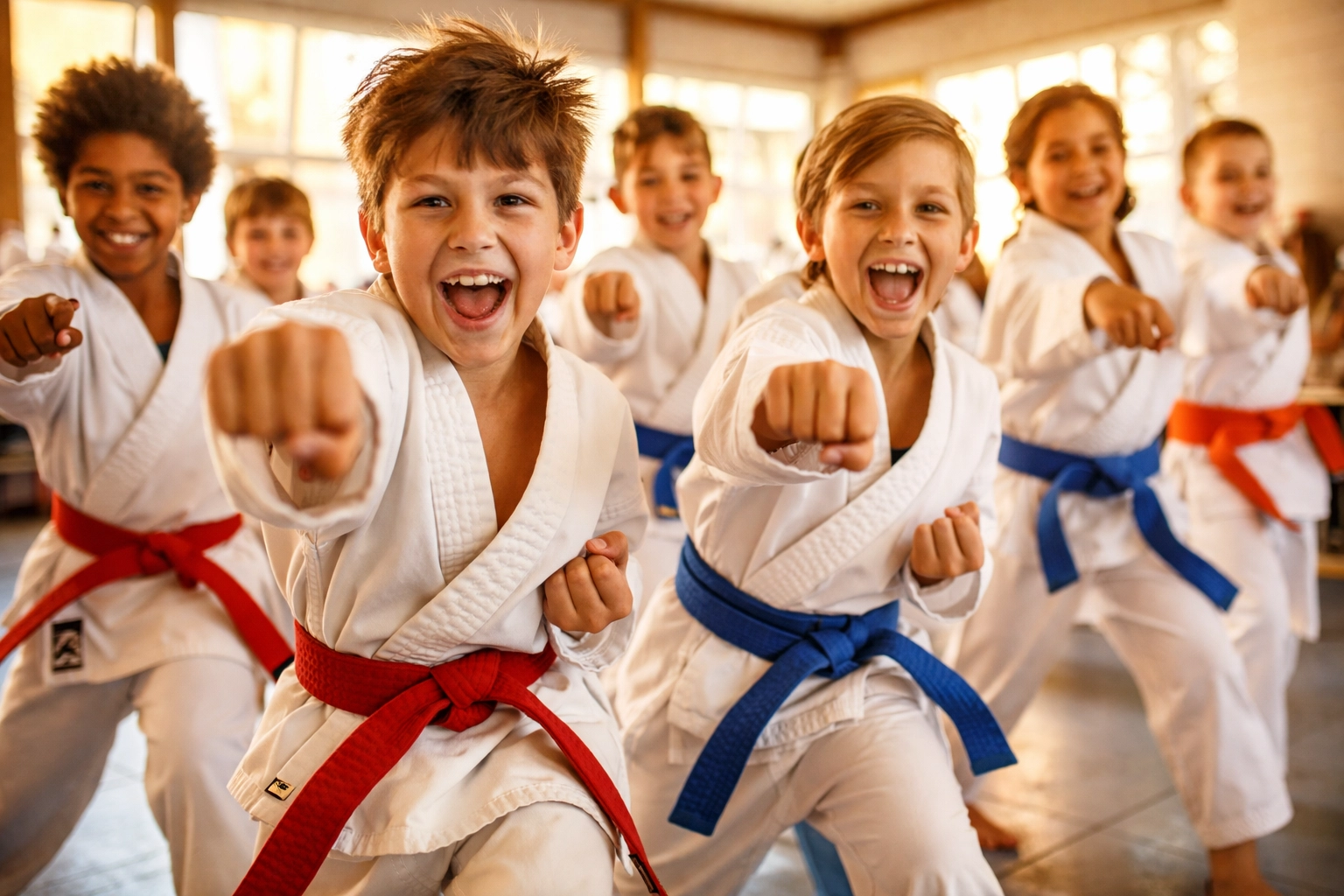
If you're an El Dorado Hills parent considering martial arts for your child, you've probably had this thought cross your mind: "Will learning to punch and kick make my kid more aggressive?"
It's a fair question. You want your child to develop confidence, learn self-defense, and build character: but not at the expense of becoming more combative or prone to fighting. The good news? Quality martial arts training actually does the opposite of what many parents fear.
Let's break down exactly how kids martial arts builds genuine confidence while actively teaching values that counteract aggression.
The Misconception About Martial Arts and Aggression
Here's the truth that might surprise you: martial arts is fundamentally about control, not chaos.
Many parents picture martial arts classes as rooms full of kids learning how to fight. In reality, the core of martial arts training centers on discipline, respect, and emotional regulation. Kids aren't learning how to start fights: they're learning how to avoid them, de-escalate situations, and only use physical skills as an absolute last resort for self-protection.
Think about it this way: the more confident and capable your child feels, the less they need to prove anything to anyone. Kids who act aggressively often do so because they feel insecure, scared, or out of control. Martial arts addresses these root causes directly.
How Martial Arts Actually Builds Confidence
So how does standing on a mat and learning techniques translate into real-world confidence for your child? It comes down to a few key mechanisms:
Goal-Setting and Achievement
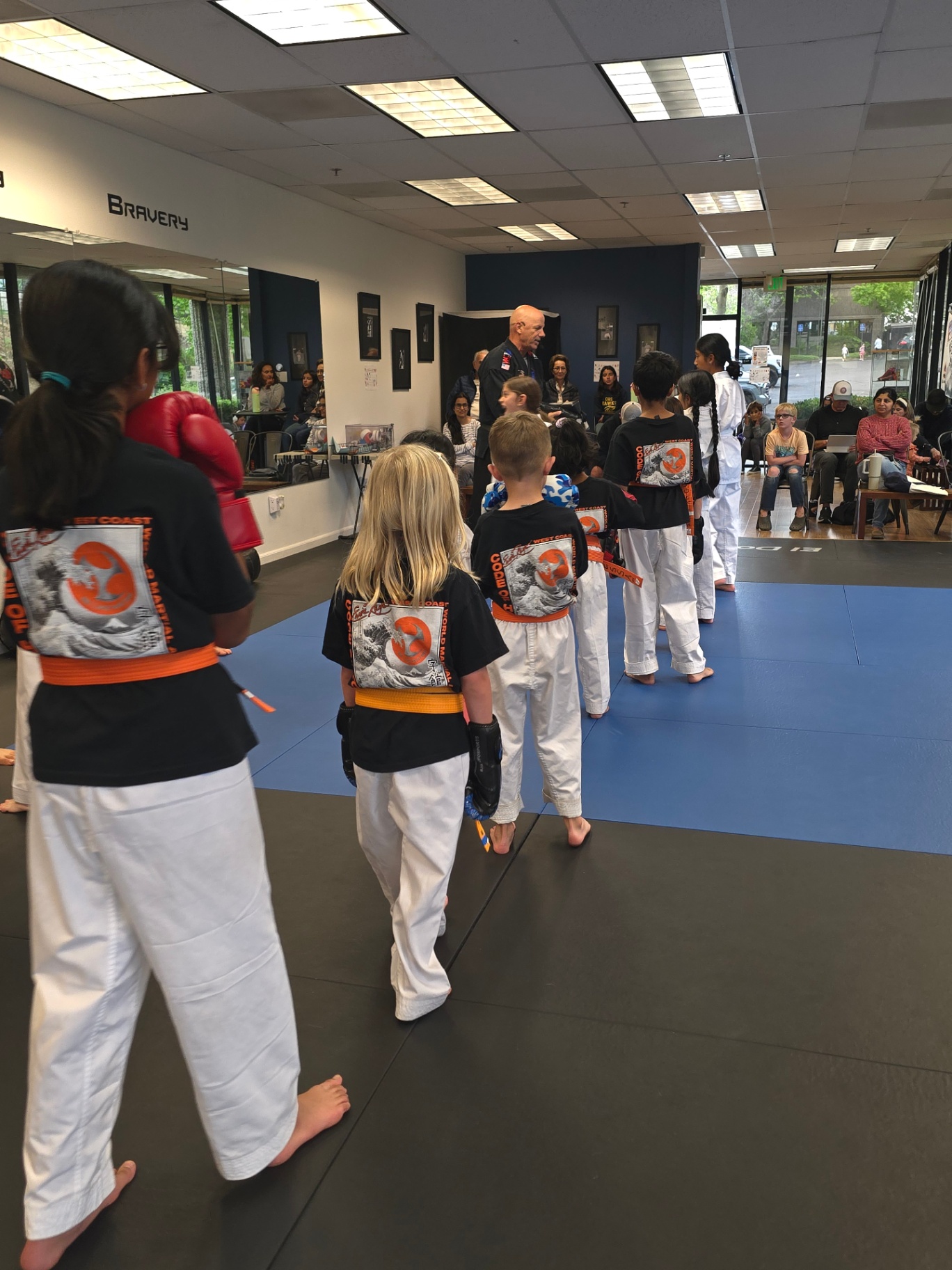
One of the most powerful confidence-builders in martial arts is the belt system. Your child starts as a white belt and works toward their next rank through consistent effort and practice. Each new belt represents a tangible milestone: proof that dedication and hard work lead to results.
This isn't about being better than other kids. It's about being better than they were yesterday. When your child earns that next stripe or belt, they experience firsthand that:
Effort leads to progress
Challenges can be overcome with persistence
They're capable of more than they thought
These lessons stick with kids far beyond the training mat.
Mastering New Skills
There's something deeply empowering about learning what your body can do. When your child masters a new technique: whether it's a proper stance, a combination, or a self-defense move: they build what psychologists call "self-efficacy." That's the belief in their own ability to handle challenges.
This kind of confidence is earned, not given. And earned confidence is the most durable kind there is.
The Role of Emotional Control
Here's where martial arts really shines in preventing aggression: emotional regulation training.
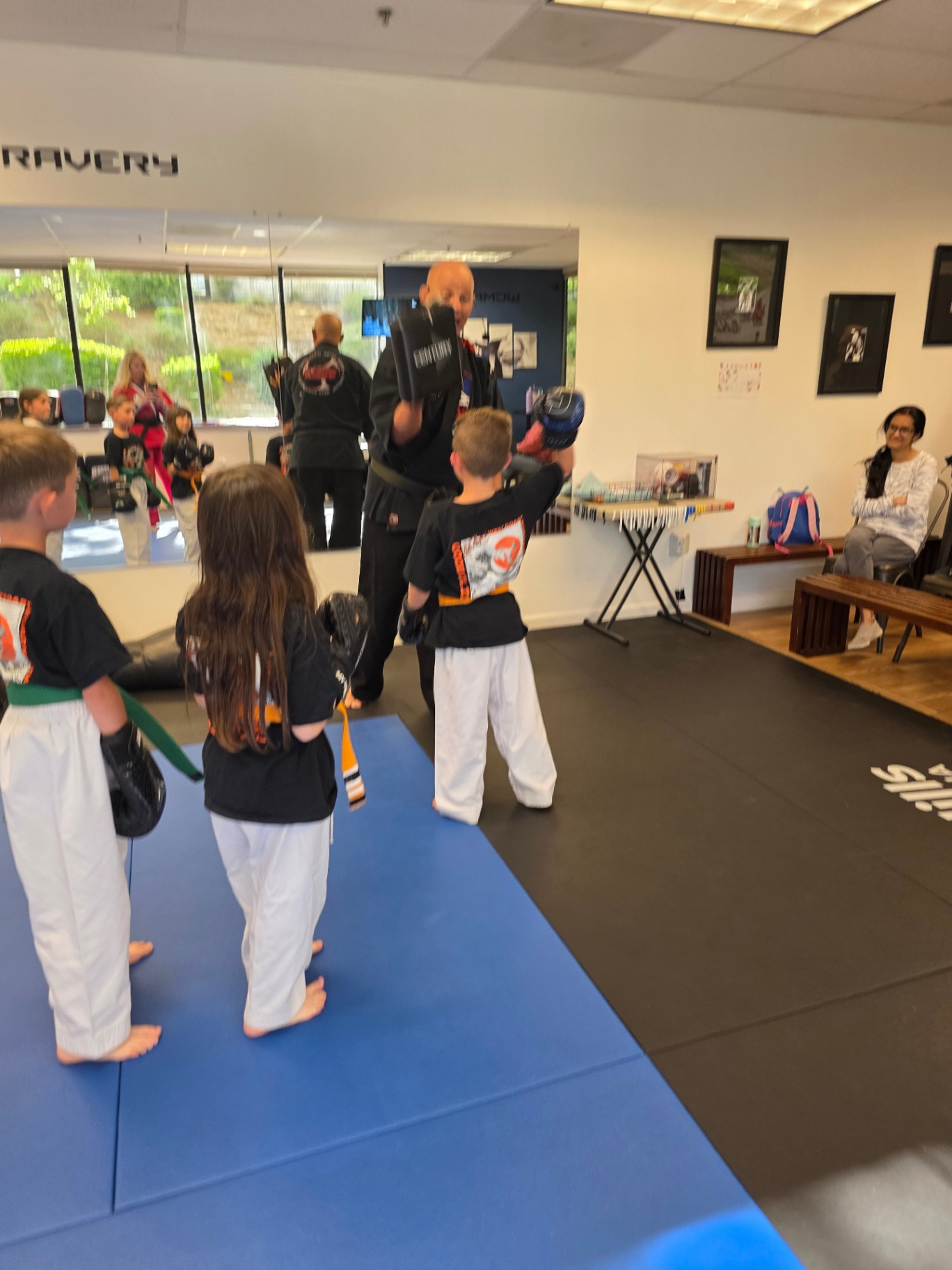
Kids learn to remain calm under pressure. They practice controlling their reactions when they're tired, frustrated, or challenged. They discover that taking a breath and staying focused is more effective than losing their temper.
This emotional control extends everywhere:
At school when a classmate says something mean
At home when a sibling is annoying them
On the playground when someone tries to provoke them
During homework when a problem seems impossible
Many parents report that after a few months of martial arts training, their children handle frustration better, recover from setbacks faster, and approach challenges with more patience. These aren't fighting skills: they're life skills.
Respect and Humility: The Antidote to Aggression
Walk into any quality martial arts school and you'll notice something immediately: respect is everywhere.
Students bow when entering the training area. They address instructors properly. They thank their training partners. These aren't empty rituals: they're constant reminders that martial arts is built on a foundation of respect for others.
Your child learns that:
True confidence doesn't require showing off
Strength comes with responsibility
Treating others with kindness isn't weakness: it's a sign of character
Being humble about their abilities makes them more respected, not less
This framework directly counteracts the mindset that leads to aggression. Kids who genuinely respect others don't go looking for fights. They don't need to prove their toughness. They're secure enough in themselves to walk away from confrontation whenever possible.
The Power of a Supportive Training Environment
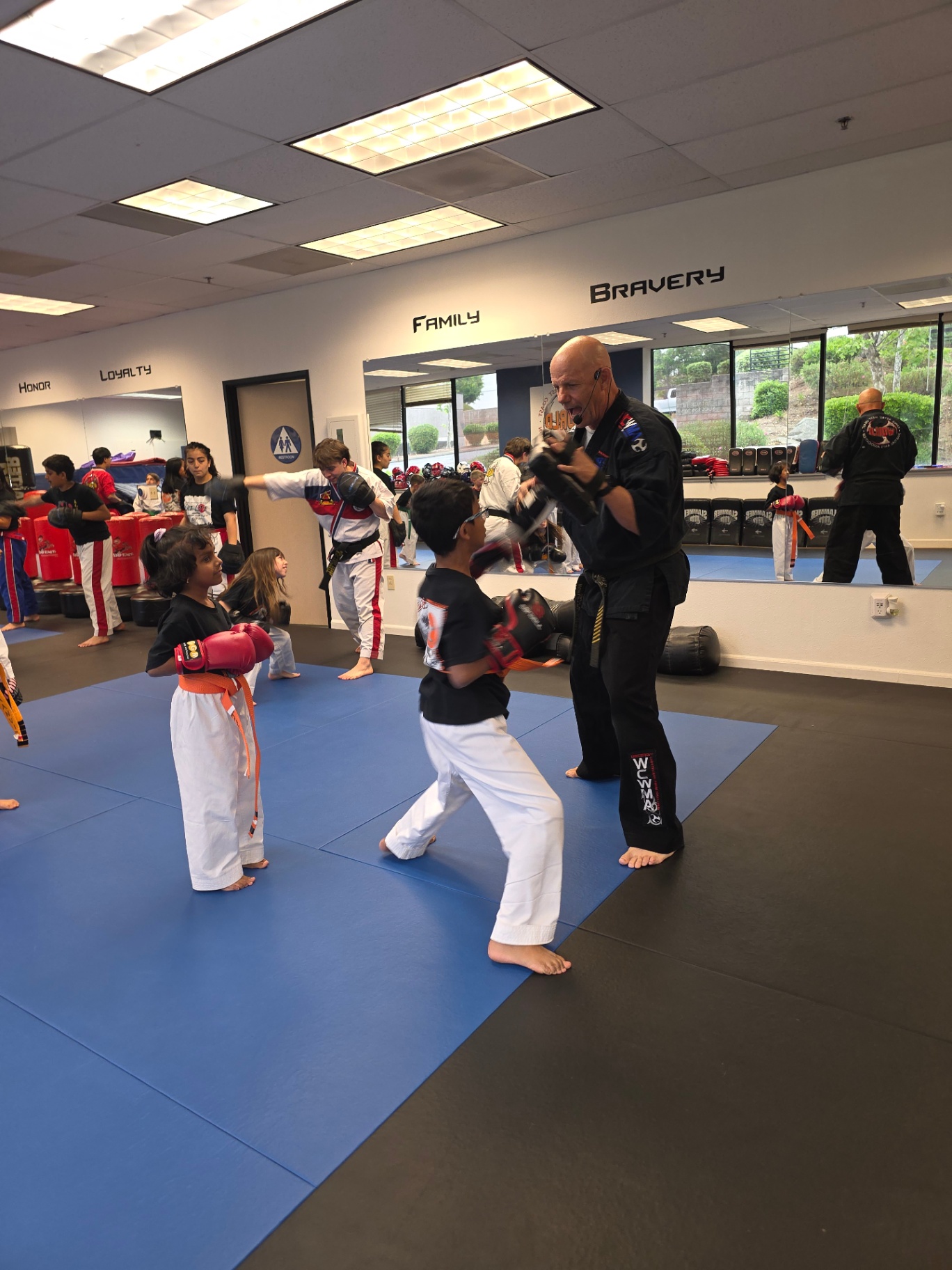
The environment where your child trains matters enormously. In a positive martial arts community, students support one another rather than compete as rivals. They celebrate each other's progress and help teammates who are struggling.
At West Coast World Martial Arts, we've built exactly this kind of supportive family environment for El Dorado Hills families. Our focus is on developing self-confident leaders: kids who lift others up rather than tear them down.
When children train in this kind of atmosphere, they learn that:
Teamwork feels better than rivalry
Helping others succeed doesn't diminish their own success
They're part of something bigger than themselves
Friendships built on mutual respect and shared goals are deeply rewarding
This community aspect reinforces all the anti-aggression values martial arts teaches. Your child isn't just learning techniques: they're learning how to be a good teammate, a supportive friend, and eventually, a leader.
What to Look for in a Kids Martial Arts Program
Not all martial arts schools are created equal. If you're exploring options for your child in El Dorado Hills, here are some things to look for:
Values-based curriculum: The school should explicitly teach character traits like respect, discipline, and perseverance: not just physical techniques.
Positive reinforcement: Instructors should build kids up, not tear them down. Look for encouraging coaching that celebrates effort and improvement.
Family involvement: Parents should be welcomed and able to observe classes. A good school wants families engaged in their child's journey.
Age-appropriate training: Younger kids need different instruction than teens. The curriculum should be tailored to developmental stages.
Focus on self-defense, not fighting: There's a big difference. Self-defense is about protection and de-escalation. Fighting is about winning at all costs.
Community atmosphere: Watch how students treat each other. Do they high-five after drills? Do older students help younger ones? This tells you a lot about the school's culture.
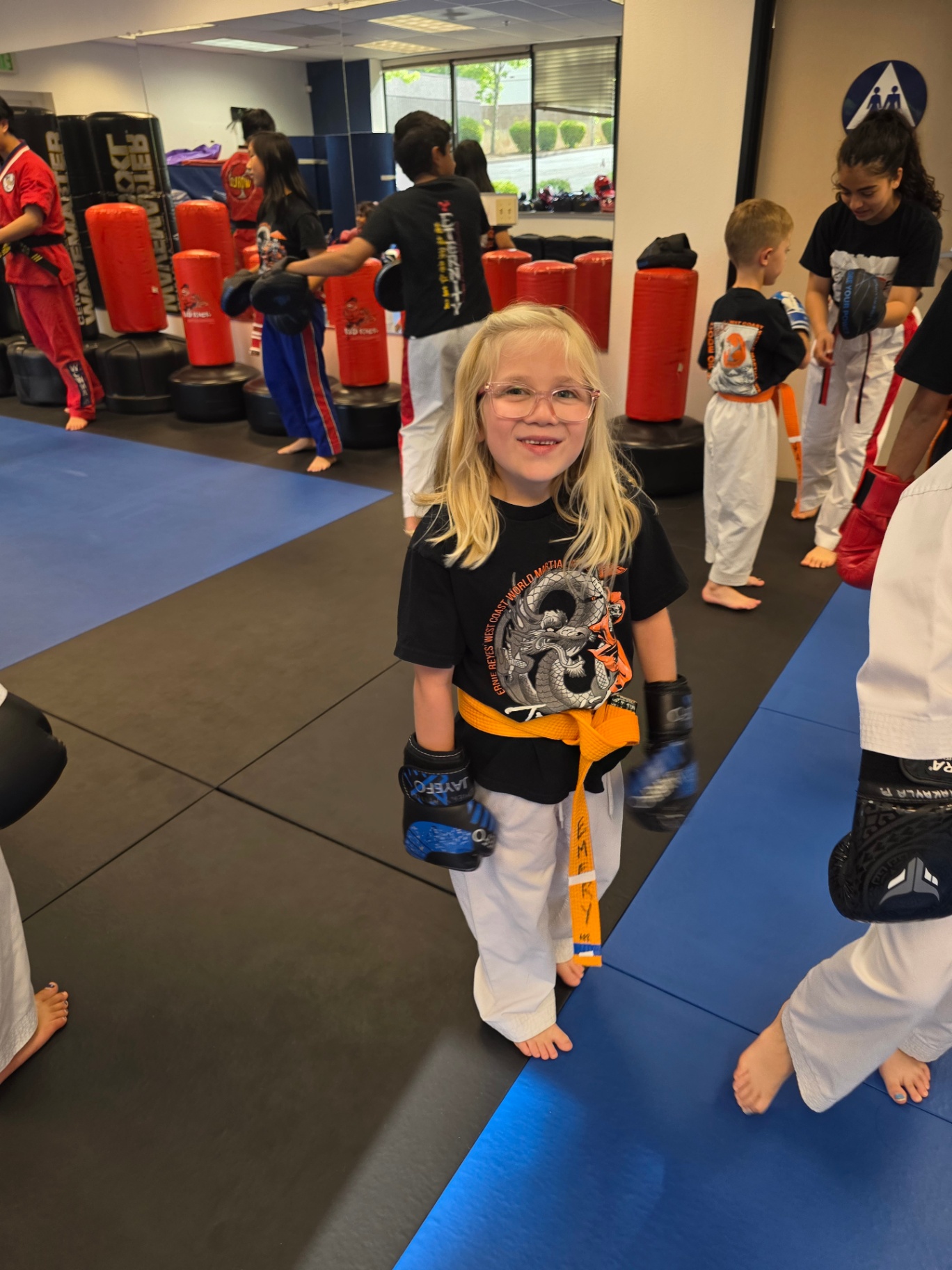
Taking the First Step
If you've been on the fence about martial arts for your child, here's your actionable next step: visit a school and watch a class. You'll see immediately whether the environment feels supportive or aggressive, whether kids are having fun while learning, and whether the values align with what you want for your family.
Many El Dorado Hills families have found that martial arts becomes the best decision they ever made for their children: not because their kids learned to fight, but because they learned not to need to.
Your child can absolutely build unshakeable confidence, develop discipline that carries into every area of life, and become a self-assured leader: all without becoming more aggressive. In fact, they'll likely become calmer, more respectful, and better equipped to handle whatever challenges come their way.
That's the real truth about kids martial arts. And it's pretty powerful.
Ready to see it for yourself? Book a trial class and discover what martial arts can do for your child.
Comments