

Preschool Power Hour: Why Starting Kids Martial Arts at Age 3 is a Game Changer for El Dorado Hills Families
You know that moment when your 3-year-old has more energy than a wind-up toy on double espresso? You're not alone. Parents across El Dorado Hills are discovering something unexpected: martial arts classes designed for preschoolers aren't just possible, they're transformative.
Here's the thing most parents don't realize: age 3 isn't too early. It's actually the perfect starting point.
Why Age 3 is the Sweet Spot for Starting Martial Arts
"But my child can barely tie their shoes!" That's exactly the point. At age 3, your child's brain is in hyperdrive mode for learning movement patterns, social skills, and self-regulation. This is when neural pathways are forming at lightning speed, making it the ideal window for introducing structured physical activity.
Kids martial arts in El Dorado Hills at this age level isn't about creating tiny fighters. It's about harnessing that boundless energy and channeling it into something productive, all while they think they're just having fun.
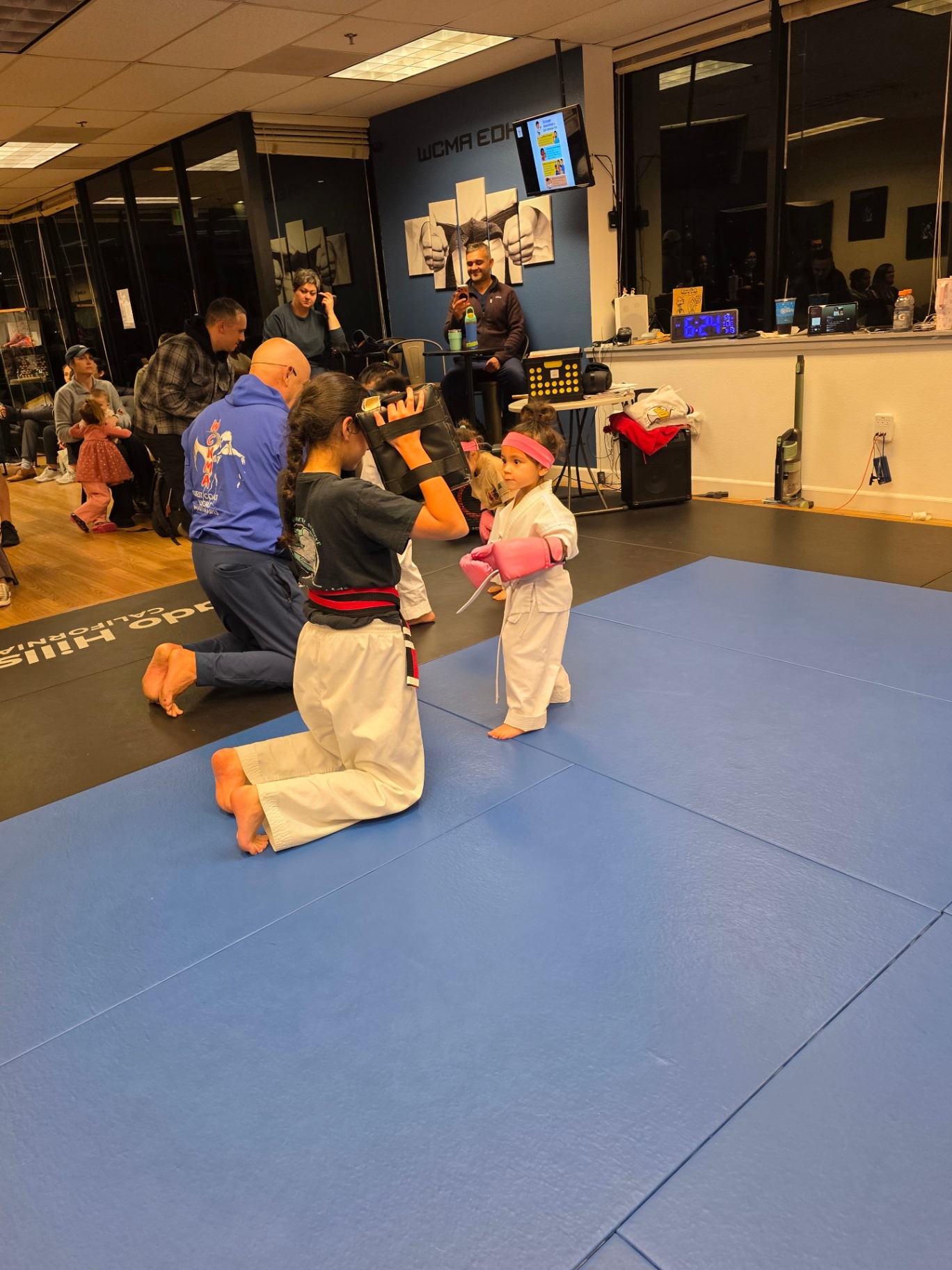
Think of it this way: you wouldn't wait until your child is 10 to teach them manners or how to share. The same principle applies to physical literacy and body awareness. Starting at age 3 means your child develops these skills as naturally as learning to speak.
What Your 3-Year-Old Actually Learns (Spoiler: It's Not Just Kicks and Punches)
Let's get practical. Here's what happens when your preschooler steps onto the mat:
Focus and Listening Skills: In a world of constant stimulation, martial arts classes teach your child to follow instructions and pay attention. When the instructor says "eyes on me," your child learns to tune out distractions. This skill carries directly into preschool and kindergarten classrooms.
Body Awareness and Coordination: At 3, many kids are still figuring out where their limbs are in space. Martial arts drills, simple as they may be, teach balance, coordination, and spatial awareness. That awkward phase where they bump into everything? It gets shorter.
Social Skills Without the Pressure: Your child practices taking turns, encouraging classmates, and working in a group. Unlike a chaotic playdate, there's structure. Unlike a rigid academic setting, there's movement and play.
Self-Control and Emotional Regulation: This is the big one. Martial arts teaches your child that having power means knowing when NOT to use it. They learn to recognize their emotions, pause before reacting, and make better choices. You know, the opposite of throwing a tantrum in Target.
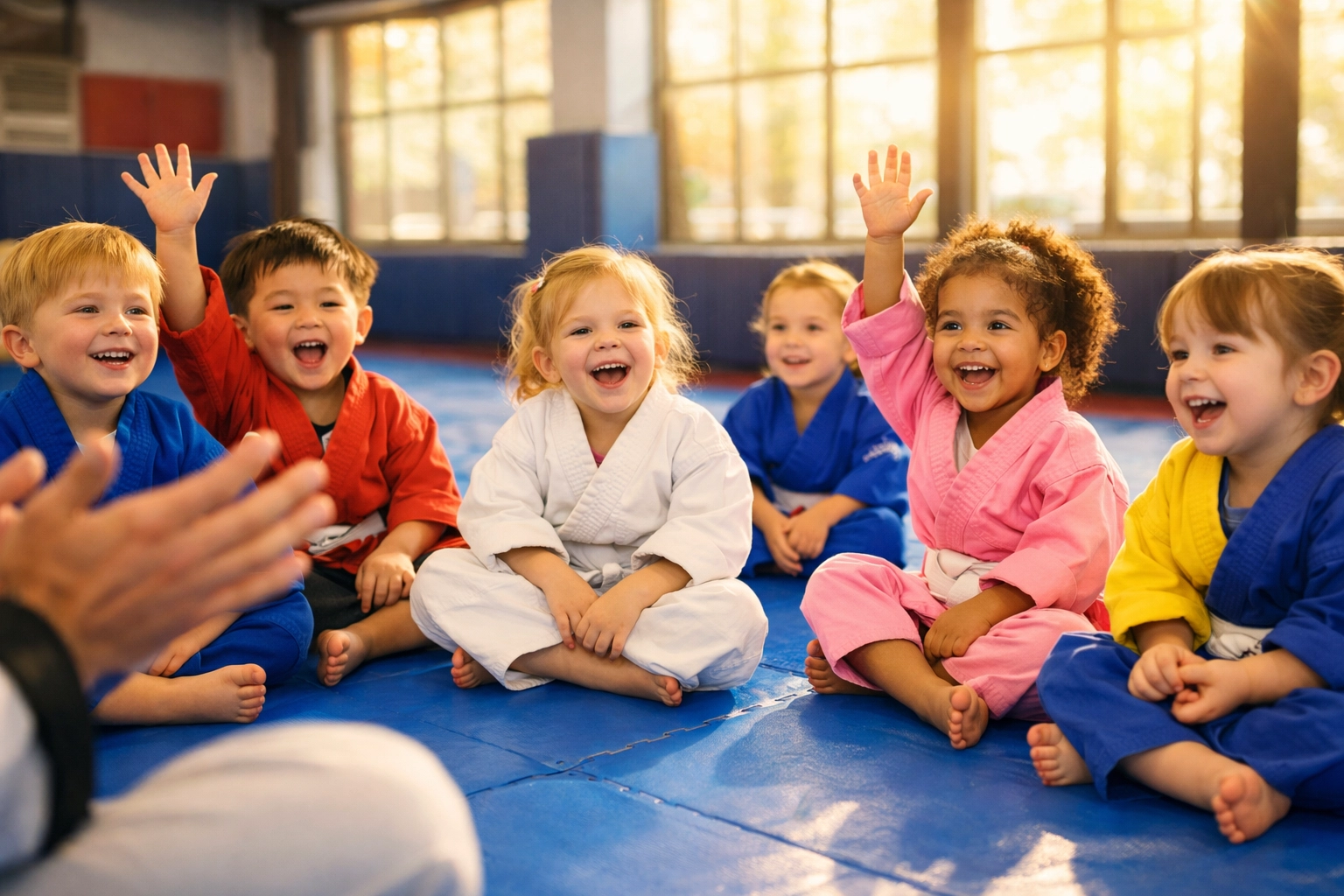
Confidence Building: Every small win, whether it's their first proper stance or successfully completing a drill, builds genuine self-confidence. Not the empty "everyone gets a trophy" kind, but the earned variety that comes from actual achievement.
How Preschool Classes Differ From Regular Kids' Classes
Here's what you need to know: classes for 3-year-olds look nothing like what you'd see in a typical martial arts movie.
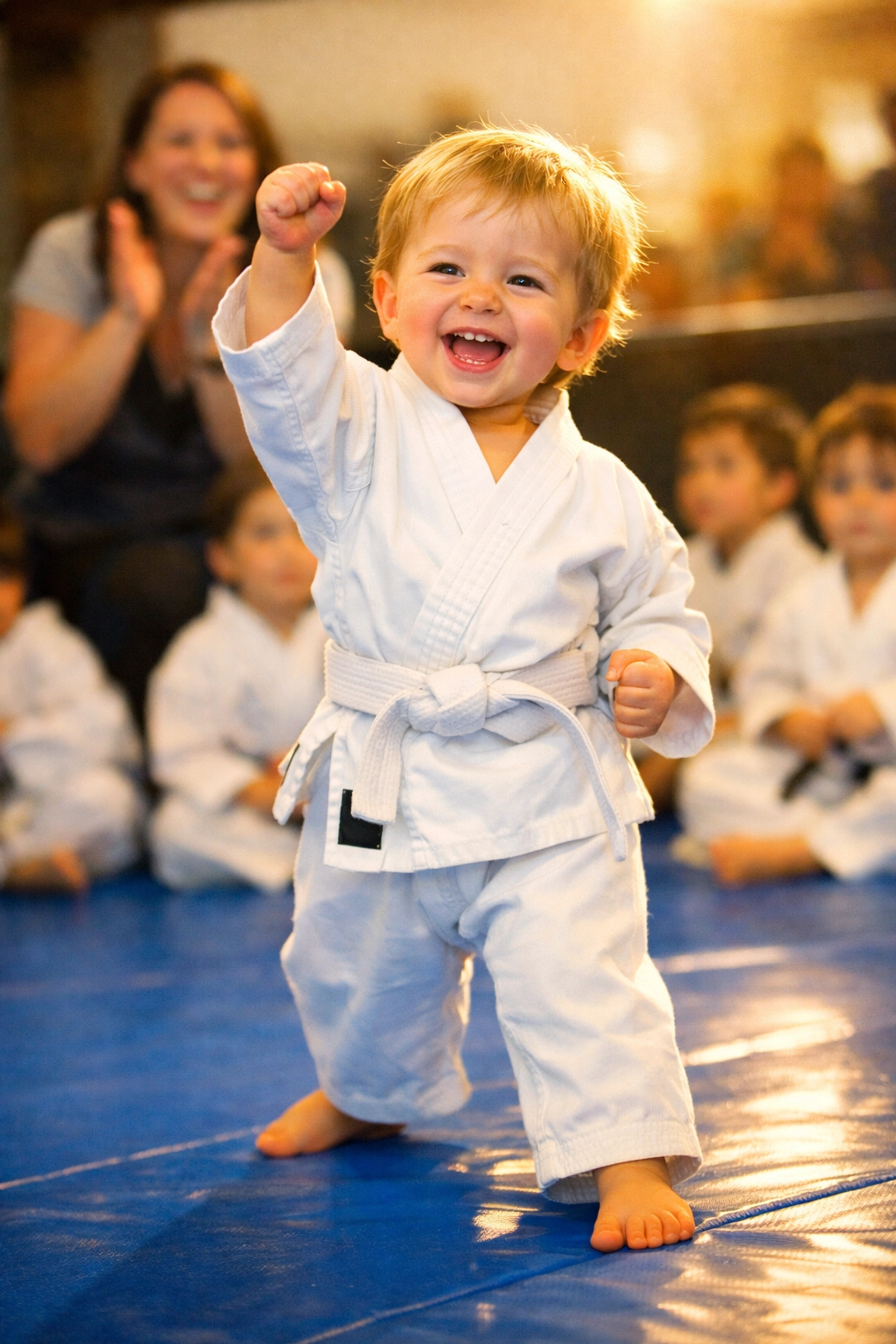
Sessions are shorter, usually 30-45 minutes, matching a preschooler's attention span. Instructors use games, music, and constant movement. There's no standing still for lengthy explanations. Everything is kinesthetic and experiential.
The instructor-to-student ratio is smaller. Young children need more individual attention and encouragement. You'll see lots of high-fives, positive reinforcement, and redirection rather than correction.
Techniques are simplified but foundational. Your 3-year-old isn't learning complex submissions or forms. They're learning basic stances, simple strikes, and fundamental movements that will serve as building blocks for years to come.
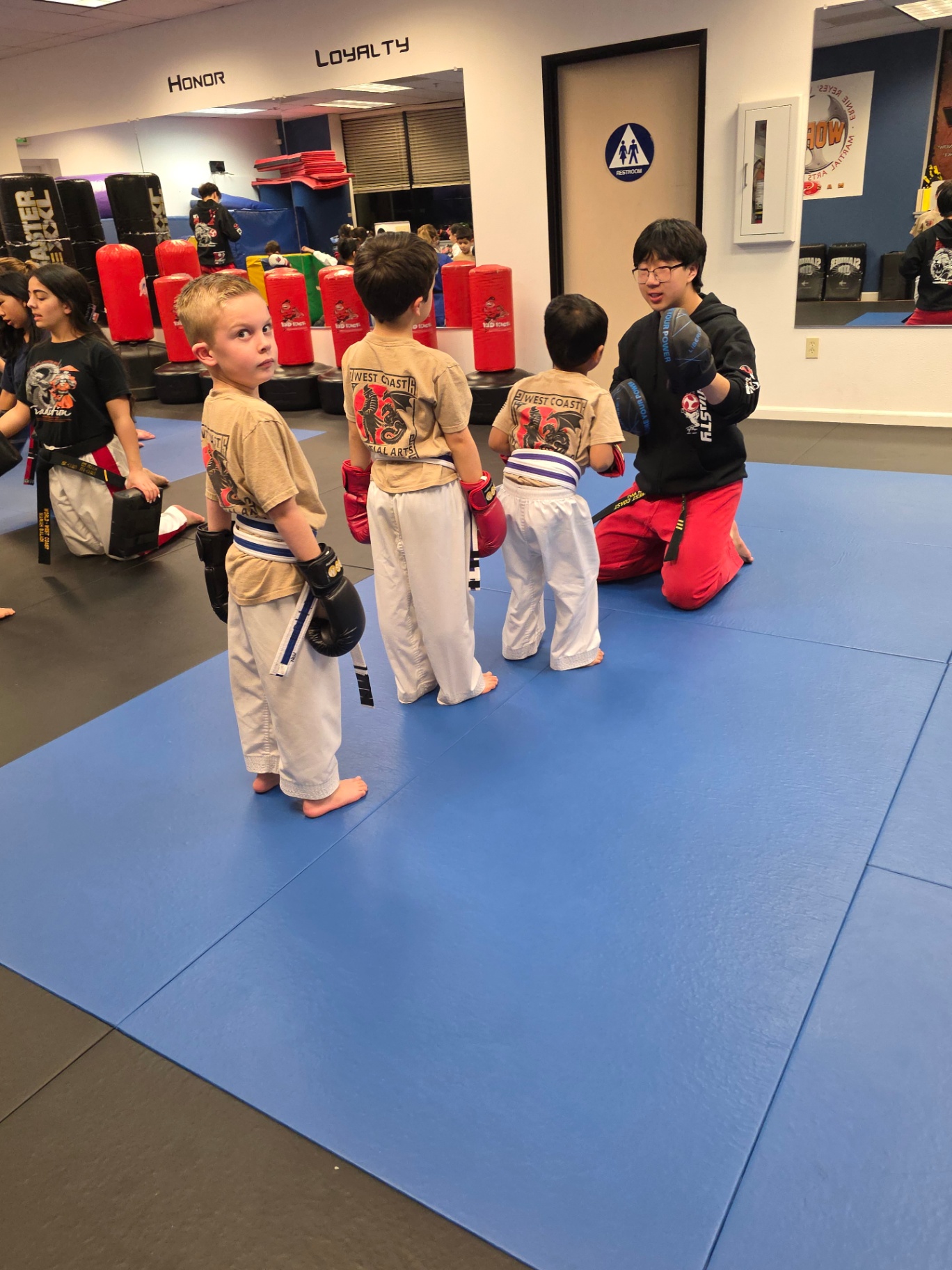
Why did the preschooler love martial arts class? Because it was a kick! (Okay, but seriously, they actually do love it.)
The El Dorado Hills Advantage: Community and Consistency
El Dorado Hills martial arts programs for young children thrive because of the community-oriented nature of our area. Parents here value both academic achievement and physical development, creating a culture where activities like martial arts are seen as essential, not optional.
When you enroll your 3-year-old in kids martial arts in El Dorado Hills, you're joining a network of families with similar values. Playdates turn into training partners. Parents swap strategies for managing toddler energy (spoiler: it involves more mat time).
The consistency matters too. Unlike drop-in activities where your child interacts with different kids and instructors each week, martial arts classes create stability. Same instructor, same classmates, same schedule. For preschoolers who thrive on routine, this consistency accelerates learning and comfort.
What to Expect in Your Child's First Few Classes
Let's manage expectations. Your first class probably won't look like a scene from a martial arts demonstration. Here's the reality:
Week 1-2: Exploration and Observation: Your child might spend half the class watching other kids, clinging to your leg, or wandering off to examine the equipment. This is completely normal. Instructors expect it and work with it, not against it.
Week 3-4: Tentative Participation: Now your child might join in for parts of class, especially activities that look fun. They're still figuring out the structure and what's expected of them.
Week 5-8: Increased Engagement: You'll notice longer stretches of focus and participation. They start remembering the routine and anticipating what comes next.
Week 9-12: Ownership: This is when it clicks. Your child knows the warm-up, recognizes techniques, and genuinely participates throughout the class. They start showing you moves at home unprompted.
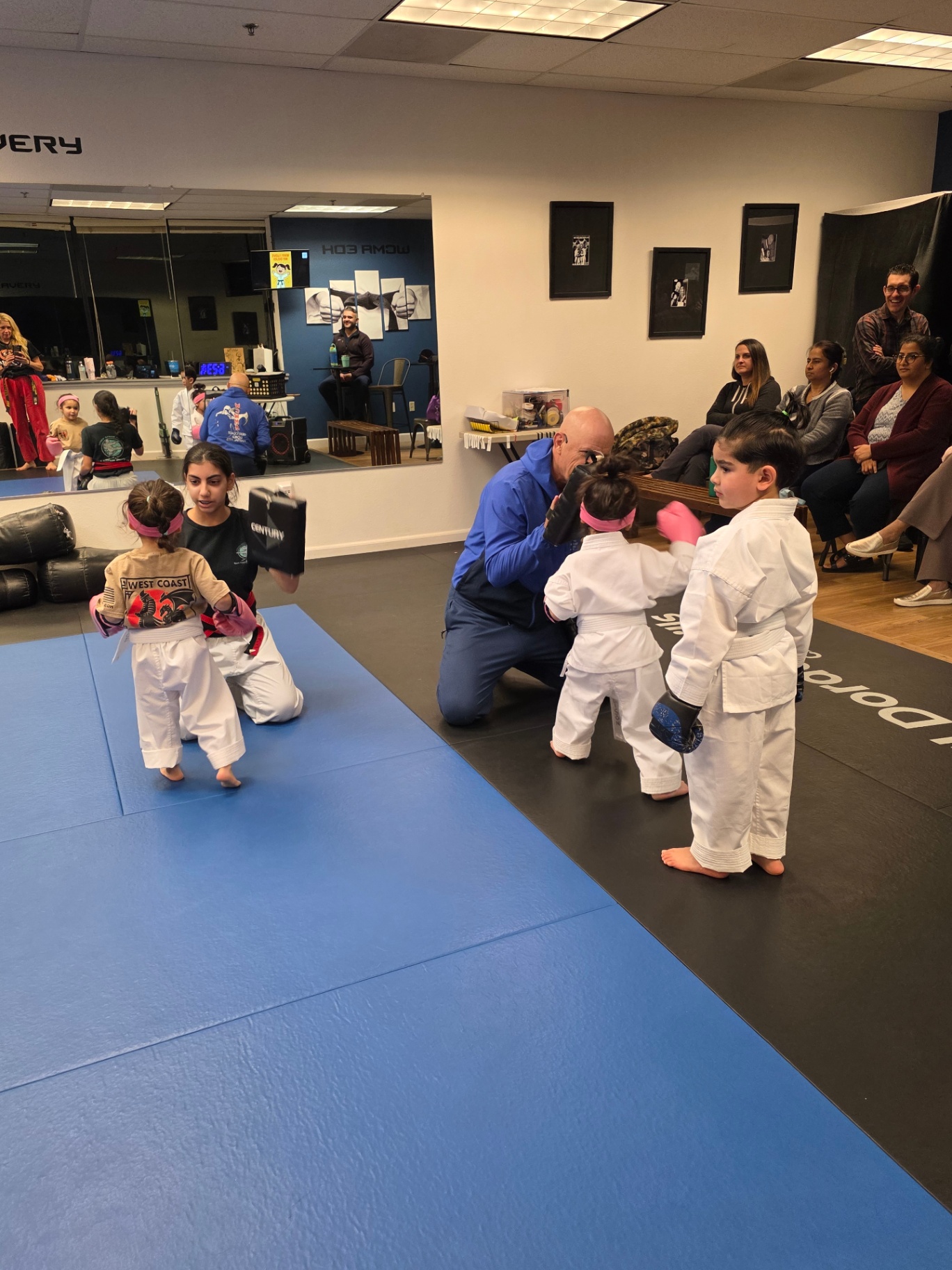
The progression isn't linear. Some days are better than others. That's not failure, that's being 3 years old.
Practical Tips for Making It Work
Choose the Right Time: Schedule classes when your child is typically alert and fed, not right before naptime or when they're hungry. Late morning or early evening classes often work best for this age group.
Arrive Early: Give your child time to adjust to the environment before class starts. Let them watch older students finish their class or explore the space while it's quiet.
Stay Visible but Not Involved: Most schools allow parents to watch from a designated area. Be present so your child can see you if needed, but avoid coaching from the sidelines. Trust the instructor's process.
Celebrate Effort, Not Just Success: After class, ask "What was your favorite part?" rather than "Were you good?" Focus on their enjoyment and effort rather than perfect execution.
Be Patient With Progress: Your 3-year-old isn't going to master techniques quickly, and that's okay. The real wins are in the subtle improvements: following directions better, waiting their turn, trying new things.
Addressing Common Parent Concerns
"My child is too shy/wild/distractible": Instructors who work with preschoolers have seen it all. Shy kids gradually open up in the safe, structured environment. Energetic kids learn to channel their intensity. Distractible kids develop longer attention spans over time. The classes are designed to meet kids where they are.
"What if they don't like it?": Some kids need time to warm up. Commit to at least 4-6 classes before deciding. If after that period your child still resists, you can reassess. But more often, initial reluctance transforms into enthusiasm.
"Is it safe?": Preschool martial arts classes prioritize safety above all else. Mats are padded, equipment is age-appropriate, and instructors are trained in child development. Physical contact is minimal and supervised. The risk of injury is significantly lower than most playground activities.
"Can't I just let them run around at the park?": You absolutely can, and should. But unstructured play and structured martial arts serve different developmental purposes. Martial arts adds the component of learning to control your body intentionally, following instructions, and working within a framework. Both types of activity are valuable.
The Ripple Effect: Benefits That Extend Beyond the Mat
Parents consistently report unexpected benefits that show up in daily life:
Your child follows directions better at home. The listening skills practiced in class transfer to "please brush your teeth" compliance.
Bedtime becomes easier. The physical activity helps regulate your child's energy and improves sleep quality.
Tantrums decrease. Learning self-control on the mat translates to better emotional regulation during frustrating moments.
Confidence spills over. The "I can do hard things" attitude developed in martial arts applies when trying new foods, meeting new people, or tackling new skills.
Your child has a healthy outlet for big emotions. Rather than bottling up frustration or anxiety, they have a physical practice for releasing tension appropriately.
Taking the First Step
Starting your 3-year-old in martial arts is less about creating a future champion and more about giving them tools they'll use forever. In El Dorado Hills, where families prioritize well-rounded development, martial arts fits naturally into a lifestyle that values both achievement and character.
You're not just signing up for a kids' activity to fill time between naps. You're investing in your child's physical literacy, emotional intelligence, and self-confidence during a critical developmental window.
The perfect time to start is now. Your 3-year-old's brain is primed for learning movement patterns and self-regulation. The energy they have right now: the energy that exhausts you daily: is exactly the resource martial arts will help them harness and direct positively.
Visit a local school, watch a preschool class, and see how your child responds to the environment. Most El Dorado Hills martial arts schools offer trial classes designed specifically for new families with young children. Come see what happens when structure meets play, and discipline meets fun.
Your child's martial arts journey starts with a single step onto the mat. That first class might be chaotic, wonderful, challenging, or all three at once. But you're laying groundwork that will serve them for life: teaching them they can learn hard things, control their bodies and emotions, and become stronger through consistent practice.
Ready to transform that preschool power hour into something extraordinary? Your next step is simple: reach out to schedule your child's first class.
Comments