

Follow-Through Parenting: Why Consistency Matters in Martial Arts (and Life) for El Dorado Hills Families
Your child begs to quit martial arts after three weeks because it's "too hard." You told them they had to stick with it for the full semester. Now what?
This moment: and hundreds like it: defines your child's future relationship with commitment, resilience, and trust. When you follow through on what you say, you're not just being a consistent parent. You're teaching life lessons that extend far beyond the dojo.
At West Coast World Martial Arts, we see firsthand how parental follow-through directly impacts a child's success in martial arts and life. The families who thrive aren't necessarily the most athletic or naturally gifted: they're the ones where parents mean what they say and say what they mean.
Why Your Words Carry Weight in Martial Arts Training
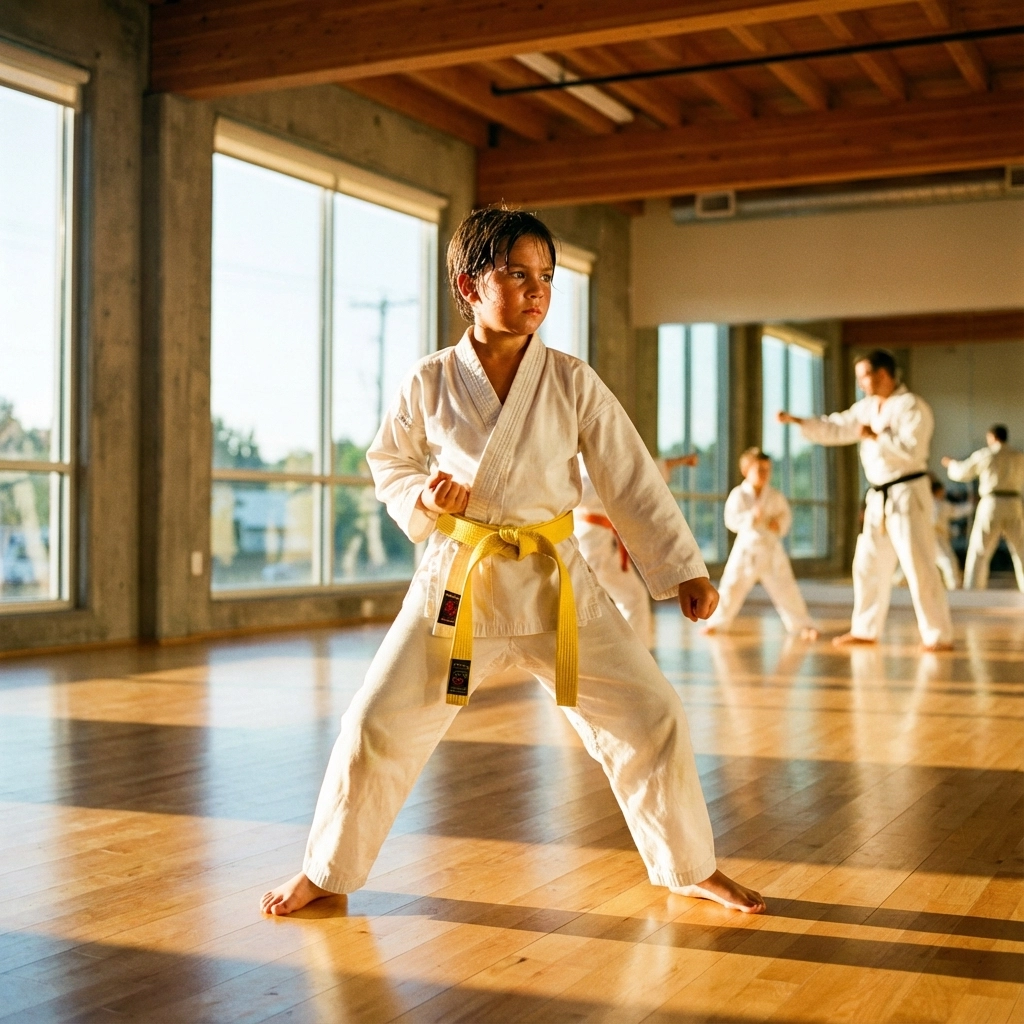
Children are natural scientists, constantly testing hypotheses about the world around them. One of their favorite experiments? Testing whether mom and dad actually mean what they say.
When you tell your child they need to attend martial arts class twice a week for six months, they're listening: and watching. Every time you let them skip because they don't "feel like it," you're teaching them that commitments are optional and that persistence isn't really necessary.
Martial arts training naturally teaches delayed gratification through the belt system, where children work for months to earn new ranks. This patience helps them understand that worthwhile accomplishments take time. But this lesson only sticks when parents maintain consistency by ensuring regular attendance and practice.
Your follow-through becomes the foundation for their follow-through. When you honor your commitment to their training, you're modeling the exact behavior you want to see from them.
The Real-World Laboratory of Consequences
Here's what makes martial arts unique: it's a real-world laboratory where children learn that actions have consequences in a supportive, structured environment.
Miss practice? You fall behind your classmates in technique development. Show up unprepared? You might not perform well during belt testing. Lose focus during sparring? You might get tagged by your partner.
These natural consequences are powerful teachers, but only when parents resist the urge to rescue their children from the discomfort. Your job isn't to eliminate all challenges: it's to support them through the process of learning from their choices.
The structured nature of martial arts, with clear rules and expectations, creates a sense of security where children thrive. They know what's expected, understand the consequences of their choices, and can see the direct connection between effort and results.
Common Follow-Through Challenges for Martial Arts Parents
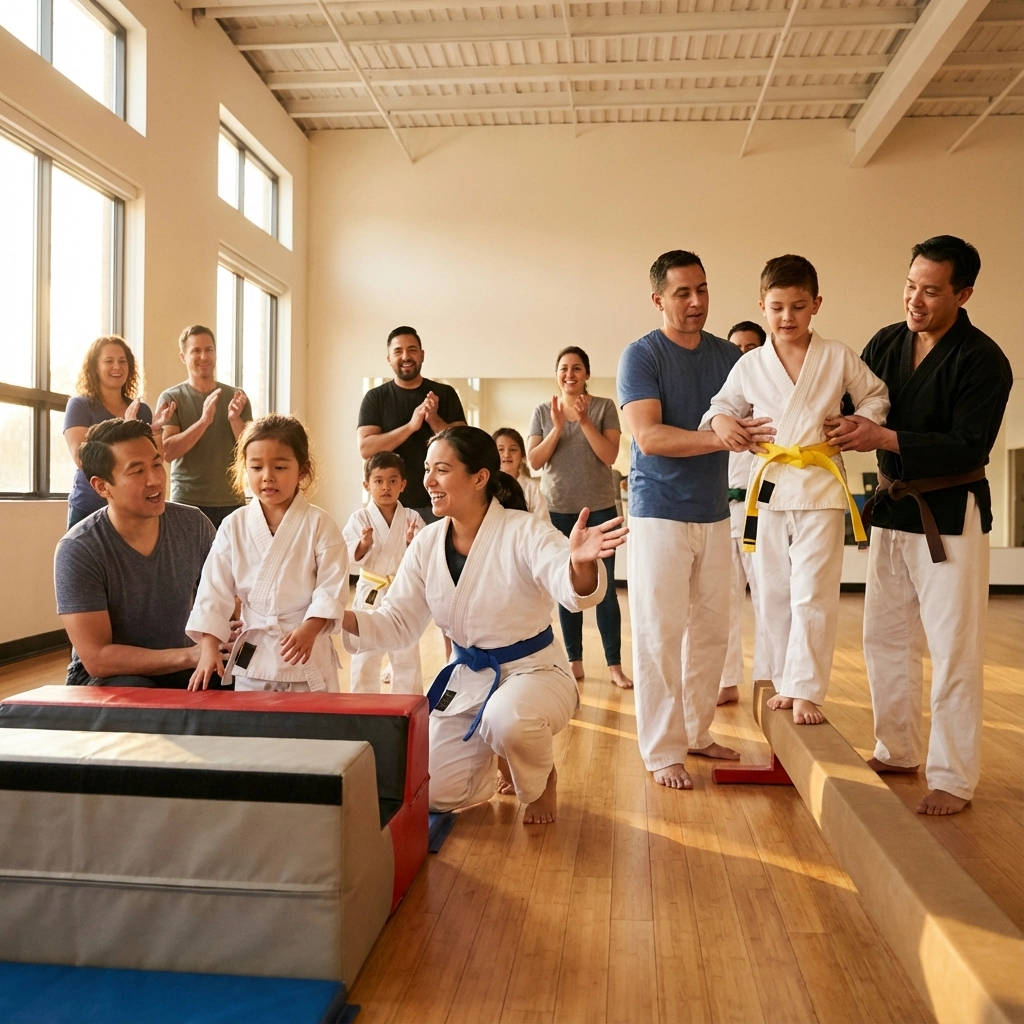
Let's be honest about the scenarios where even well-meaning parents struggle with consistency:
The "I Don't Want to Go" Morning Your child wakes up claiming they're sick, tired, or just don't feel like training. You're running late for work, and it would be easier to just let them stay home. But every time you cave, you're teaching them that commitments are negotiable based on mood.
The "Everyone Else Quit" Argument Three of your child's friends dropped out of their martial arts programs. Now your child wants to quit too, arguing that "nobody else is doing it anymore." This is where your follow-through teaching really matters: showing them that their commitment isn't dependent on what others do.
The Financial Pressure Decision Money gets tight, and martial arts fees feel like an easy expense to cut. While financial realities are real, how you handle this situation teaches your child about prioritizing commitments and finding creative solutions versus simply abandoning promises.
The "Too Busy" Trap Soccer season starts, school projects pile up, and suddenly martial arts gets pushed to the bottom of the priority list. This teaches children that some commitments matter more than others, but not necessarily based on the right criteria.
Building Accountability Through Consistent Expectations
Successful martial arts families create clear expectations and stick to them. Here's how you can build this accountability system:
Set Clear, Specific Commitments Instead of "We'll try martial arts and see how it goes," say "We're committing to attend classes twice a week for the next six months. After that, we'll evaluate together." Specific timeframes and expectations eliminate the daily negotiation battles.
Create Family Training Rituals Develop consistent pre-training routines that signal commitment. Pack the gear bag the night before. Have a healthy snack ready. Create a ritual that reinforces the importance of showing up prepared and ready to learn.
Celebrate Progress, Not Just Perfection Acknowledge effort and consistency, not just belt promotions or tournament wins. When your child attends class even though they were tired, that's worth celebrating. These small moments of follow-through build the foundation for bigger successes.
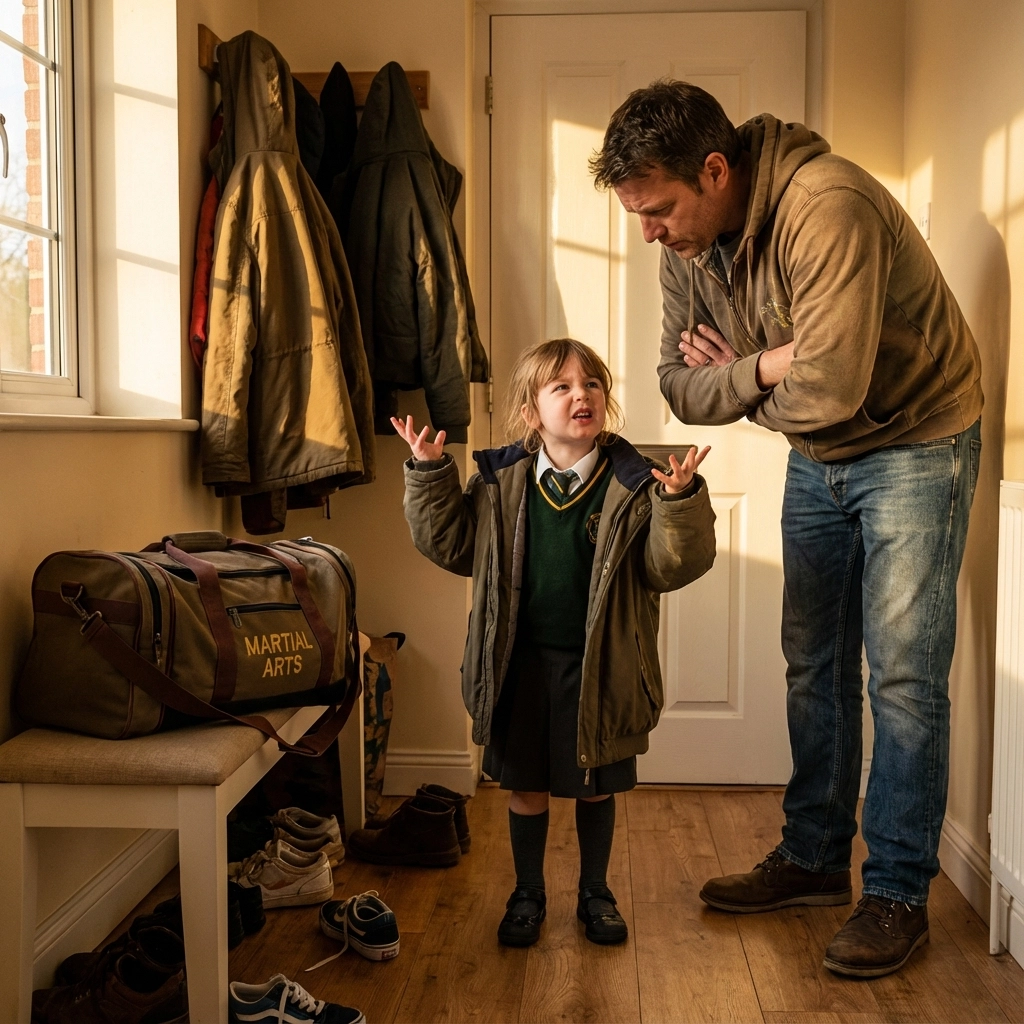
Use Natural Consequences as Teaching Moments When your child experiences the natural result of their choices: like struggling with techniques they missed by skipping practice: resist the urge to make excuses for them. Instead, help them connect their choices to the outcomes they're experiencing.
The Ripple Effect of Parental Consistency
Children often want to quit activities when they encounter challenges or lose initial enthusiasm. However, sticking with martial arts during these difficult moments teaches perseverance: one of the most valuable life skills they can develop.
When you follow through consistently, you're not just supporting their martial arts journey. You're teaching them that:
Meaningful achievements require patience and persistent effort
Temporary discomfort leads to long-term growth
Their word matters and commitments should be honored
Challenges are opportunities to develop character
Success comes from showing up, especially when you don't feel like it
Self-discipline grows as children practice regularly and show up to class even when tired, and this commitment teaches them to push through difficult moments. This discipline transfers to other areas of their lives: completing homework without reminders, improving behavior at home, and developing better focus and concentration that helps academic performance.
Creating Family Unity Through Shared Commitment
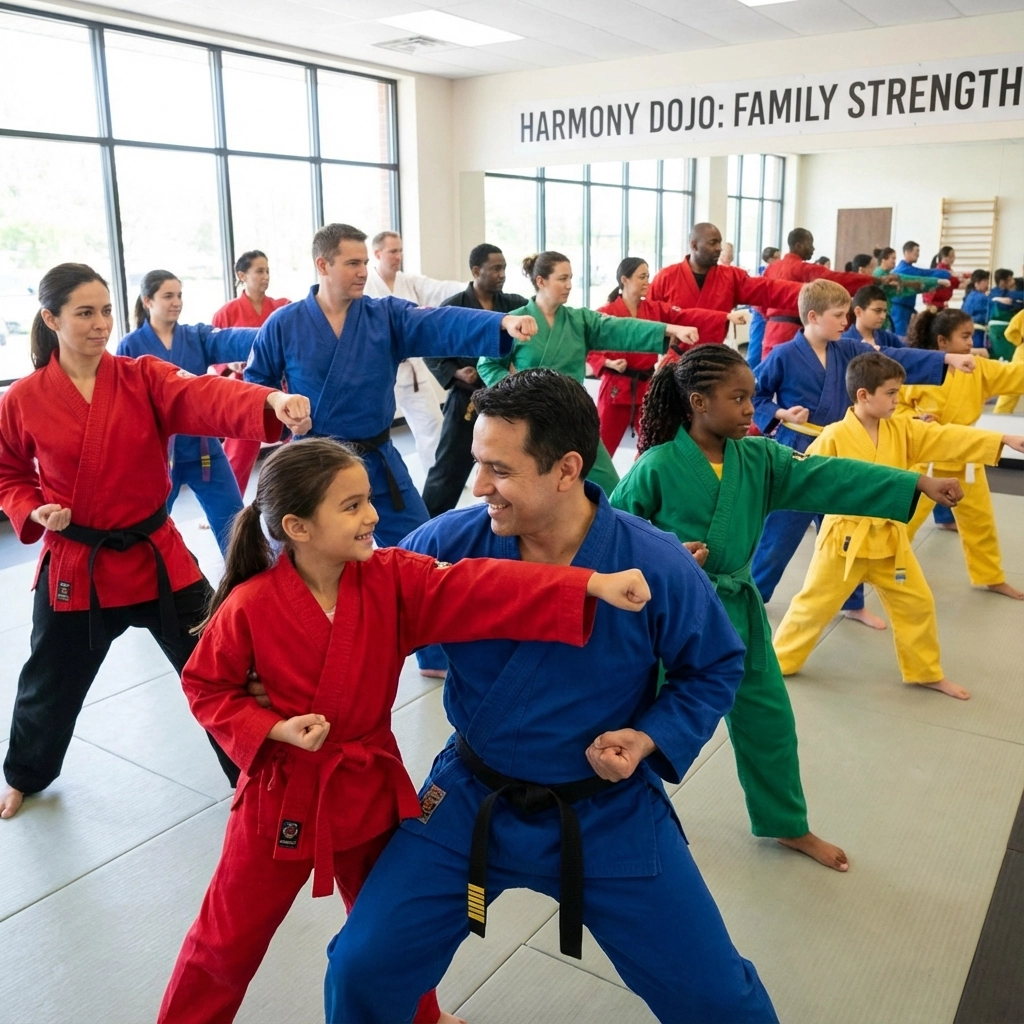
When families train together in martial arts, they create shared experiences that strengthen emotional bonds. Parents and children challenge themselves, learn new skills, and support each other along the way, celebrating achievements as they progress together.
Even if you don't train alongside your child, you can still create this sense of shared commitment. Ask specific questions about what they learned. Attend belt testings and tournaments. Show genuine interest in their progress and challenges.
Parents who prioritize martial arts training become positive role models, demonstrating the importance of commitment and follow-through. This consistent participation shows children that their parents value their development and are willing to invest time and effort alongside them.
Practical Strategies for Better Follow-Through
Start Small and Build Don't overwhelm yourself or your child with too many changes at once. Pick one area where you want to improve your follow-through and focus on that consistently before adding other expectations.
Plan for Resistance Your child will test your resolve. Expect it, prepare for it, and have strategies ready. Know what you'll say when they don't want to go to class. Have backup plans for transportation and scheduling conflicts.
Communicate the "Why" Help your child understand the bigger picture of why consistency matters. Connect their martial arts training to larger life goals and values your family holds important.
Track Progress Together Keep a simple chart or journal tracking attendance, effort, and progress. Make it visual and celebrate milestones together. This helps both you and your child see the power of consistency over time.
The Long-Term Investment in Character

Vigorous exercise relieves built-up energy and stress, helping children develop better emotional regulation. The consistent structure of martial arts training creates a reliable outlet for this energy while building self-control as children learn that actions have consequences in a supportive setting.
But the real magic happens when children apply the discipline learned in martial arts to other areas of their lives. They complete homework without reminders. They show better behavior at home. They develop the confidence that comes from knowing they can stick with something challenging and see it through to success.
Your follow-through as a parent doesn't just support their martial arts journey: it builds the foundation for every future commitment they'll make. From high school sports to college applications to career challenges to relationships, the lessons they learn about consistency and commitment in your living room and in the dojo will serve them for life.
When you say what you mean and mean what you say, you're not just being a consistent parent. You're giving your child the gift of understanding that their word matters, that commitments have value, and that they have the strength to follow through even when it's difficult.
That's a lesson worth sticking with, no matter how many times they test your resolve.
Comments