

Myth vs. Reality: Does Martial Arts Actually Make Kids More Aggressive?
If you’re a parent in El Dorado Hills, you’ve likely considered signing your child up for a sport that builds character. You want them to have discipline, better focus, and the ability to stand up for themselves. But then, a nagging thought might cross your mind: “If I teach my child how to punch and kick, am I just giving them the tools to become a bully?”
It’s a common concern. We see movies where martial arts is all about high-octane fights and aggression. It’s easy to assume that training in combat sports would naturally lead to a more combative personality.
But the reality on the mats at West Coast World Martial Arts is quite the opposite. In fact, science and years of hands-on experience show that martial arts is one of the most effective ways to reduce aggression in children.
Let’s dive into the myths, the scientific reality, and how we help your child channel their energy into becoming a self-confident leader.
The Biggest Myth: "Learning to Fight Creates a Fighter"
Many people believe that exposing a child to martial arts "activates" a violent streak. They worry that a child who knows how to strike will be more likely to use those skills on the playground when they get frustrated.
The Reality: Research consistently shows that properly taught martial arts do not make kids more aggressive. A major meta-analysis of 12 different studies involving over 500 children found that martial arts training actually reduced aggressive and violent behavior in the majority of cases. In the other cases, there was no change, but never an increase.
Why is this? Because martial arts isn't about fighting; it’s about control.

Why Martial Arts Actually Reduces Aggression
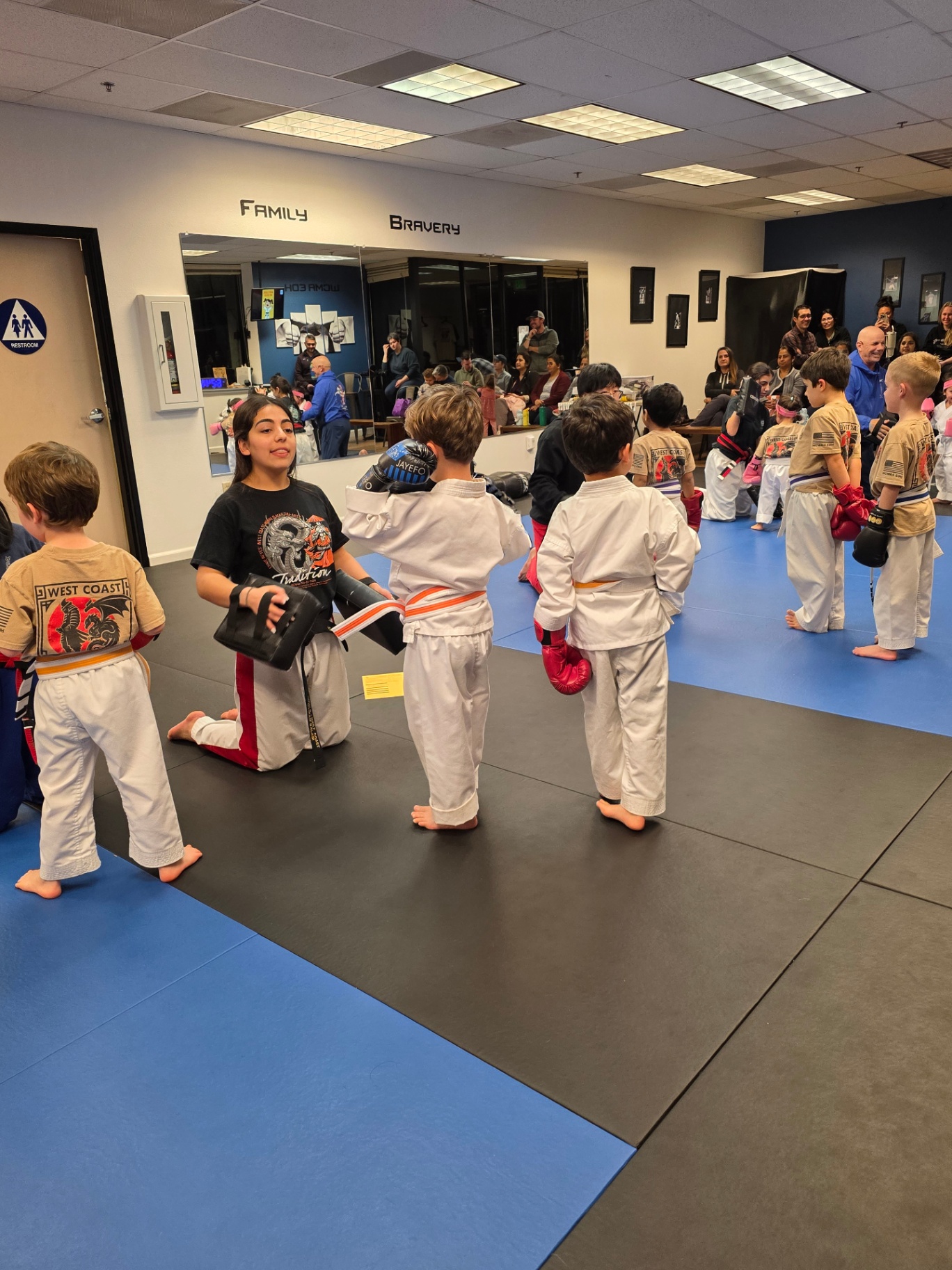
If you've ever watched a class at our El Dorado Hills school, you'll notice something immediately: it’s incredibly structured. We don't just hand kids a pair of gloves and tell them to go at it. Every movement is intentional, and every session begins and ends with respect.
1. Emotional Regulation and Self-Control
Aggression in children often stems from a lack of emotional tools. When a child feels frustrated, scared, or overwhelmed, they might lash out because they don’t know what else to do.
In our kids martial arts classes, we teach students how to breathe through challenges. Whether they are struggling to master a new kick or working through a difficult grappling drill, they are practicing emotional regulation. They learn that getting angry doesn't help them win a match or learn a technique, staying calm does.
2. A Productive Outlet for Energy
Let’s be honest: some kids just have a lot of "engine." If that energy doesn't have a place to go, it can turn into restlessness or disruptive behavior at school.
Martial arts provides a high-intensity physical outlet. After a rigorous session of drills and pad work, kids leave the dojo with their "tank empty" in the best way possible. They’ve burnt off that extra steam in a safe, supervised environment, which often leads to better behavior at home and more focus in the classroom.
3. The Power of Confidence
Bullies often act out because of deep-seated insecurities. Conversely, children who are targets of bullying often lack the self-assurance to stand their ground.
Martial arts builds a "quiet confidence." When your child knows they can defend themselves if they absolutely have to, they no longer feel the need to prove it. They don't have to act tough to feel safe. This sense of security is one of the top reasons kids benefit from martial arts. They become less reactive to insults and more likely to walk away from a potential conflict because they have nothing to prove to anyone but themselves.
The Role of the Instructor: Setting the Standard
The environment of the school matters immensely. If a school focuses only on "winning" or "dominating," then yes, it could foster the wrong attitude.
At West Coast World Martial Arts, our curriculum is built on core values:
Discipline: Following through even when it’s hard.
Respect: Treating instructors, peers, and themselves with dignity.
Life-long Learning: Understanding that there is always room to grow.
Our instructors are trained to spot the difference between healthy enthusiasm and budding aggression. We emphasize that martial arts skills stay in the dojo unless they are needed for self-defense. We teach "bully-proofing," which starts with verbal de-escalation and uses physical techniques only as a last resort.

Actionable Tips: How to Choose the Right School for Your Child
If you’re ready to start your child’s journey but still feel a bit protective, here is what you should look for to ensure they are in a supportive environment:
Observe a class first: Don't just look at the techniques. Look at the energy. Are the kids respectful? Do they bow to their partners? Is the instructor encouraging or overly harsh?
Ask about the philosophy: A good school should be able to clearly explain how they handle discipline and what their stance is on using martial arts outside of class.
Check the "Family Factor": Is it a place where parents feel welcome? At our school, we pride ourselves on a family-oriented environment where everyone supports each other’s growth.
Look for structured progression: Programs that use a belt system correctly teach kids that rewards are earned through hard work and patience, not just by being "the strongest."
Normalizing the Learning Curve
It’s completely normal if your child feels a little intimidated at first: or if they get overly excited during their first few sessions. Learning to handle physical power is a process. We expect mistakes, and we view those moments as opportunities for growth.
If your child gets a bit too rambunctious, we don't just "punish" them. We redirect that energy. We help them see how focus and stillness are actually more powerful than wild movement. Over time, you’ll see that frantic energy transform into a steady, calm presence.
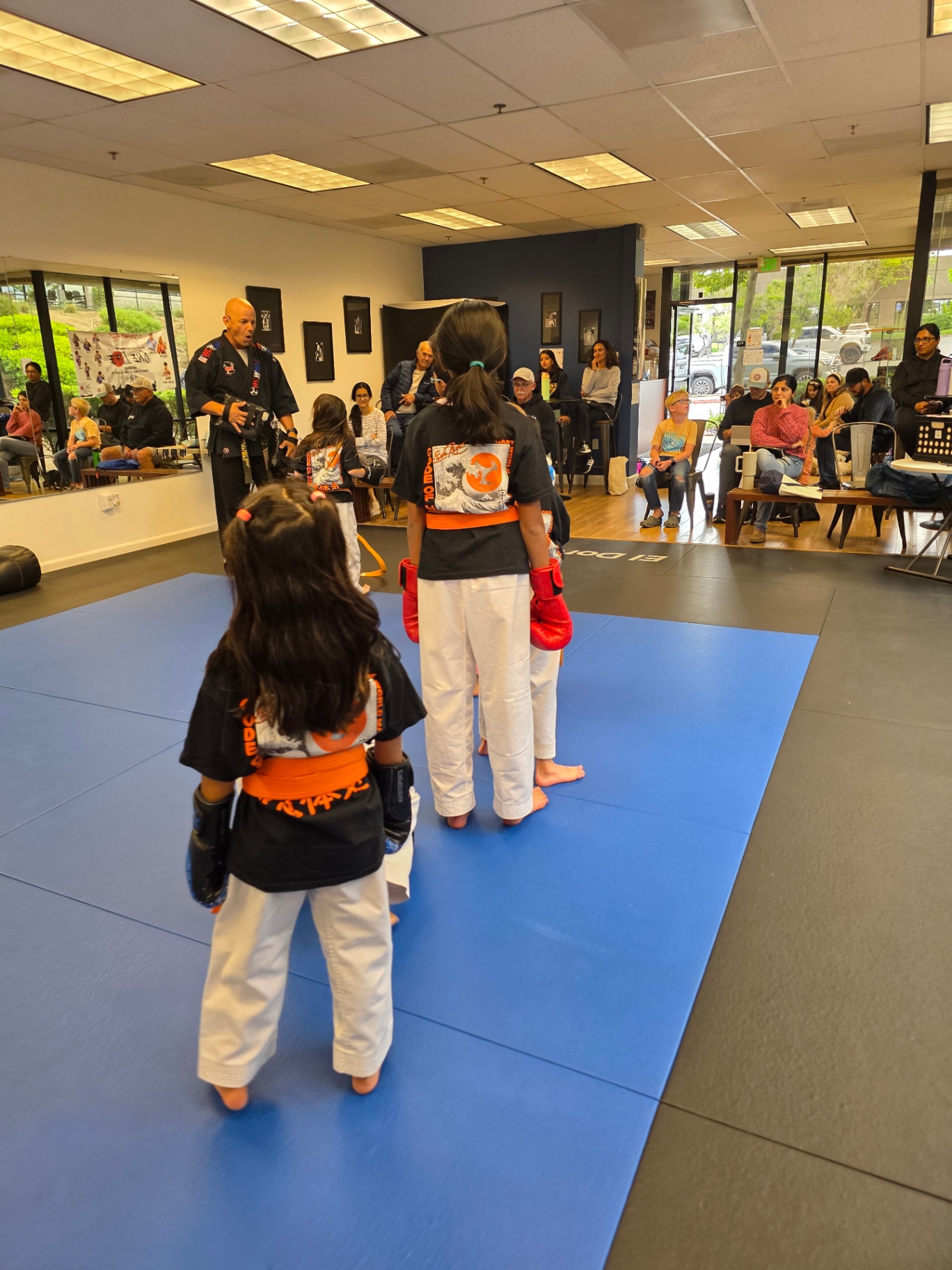
Empower Your Child Today
Martial arts is more than just "learning how to fight." It is a transformative journey that helps children become the best versions of themselves. By replacing fear with knowledge and insecurity with confidence, we help your child navigate the world with a sense of peace and purpose.
Whether you have a toddler just starting out or a teen looking for a community, we are here to support your family every step of the way.
Ready to see the reality for yourself? Join us for a session and see how our after-school programs and kids' classes can make a difference in your child’s life. Let’s build confidence, together.
Comments