

Boost Your Child’s Emotional Control Instantly with These 5 Kids Martial Arts El Dorado Hills Secrets
As a parent in El Dorado Hills, you’ve likely seen it: the sudden meltdown over a misplaced toy, the frustration of a difficult homework assignment, or the "big feelings" that seem to come out of nowhere. Emotional regulation isn't something children are born with; it is a skill that must be taught, practiced, and refined.
At West Coast World Martial Arts, we see these moments as opportunities. Whether your child is just starting in our Lil' Dragons program or advancing through our Juniors classes, we use martial arts as a laboratory for emotional development.
The secret isn't just in the kicks and punches; it’s in the internal discipline required to execute them. Here are 5 "secrets" from our El Dorado Hills dojo that you can use to boost your child’s emotional control starting today.
1. The Power of the "Martial Arts Breath"
In the heat of a sparring match or while learning a complex new form, a student’s heart rate spikes. If they let their breathing become shallow and erratic, their focus breaks and frustration takes over. We teach our students that their breath is the "remote control" for their brain.
By focusing on deep, intentional breathing, children learn to manually override their "fight or flight" response. This translates directly to the real world. When your child feels an angry outburst coming on, they have a tool to physically calm their nervous system.
Actionable Tip: The 4-Count Reset Practice "Martial Arts Breathing" at home before stressful transitions (like leaving for school or starting chores). Have your child breathe in through their nose for 4 counts, hold for 4, and exhale through their mouth for 4.
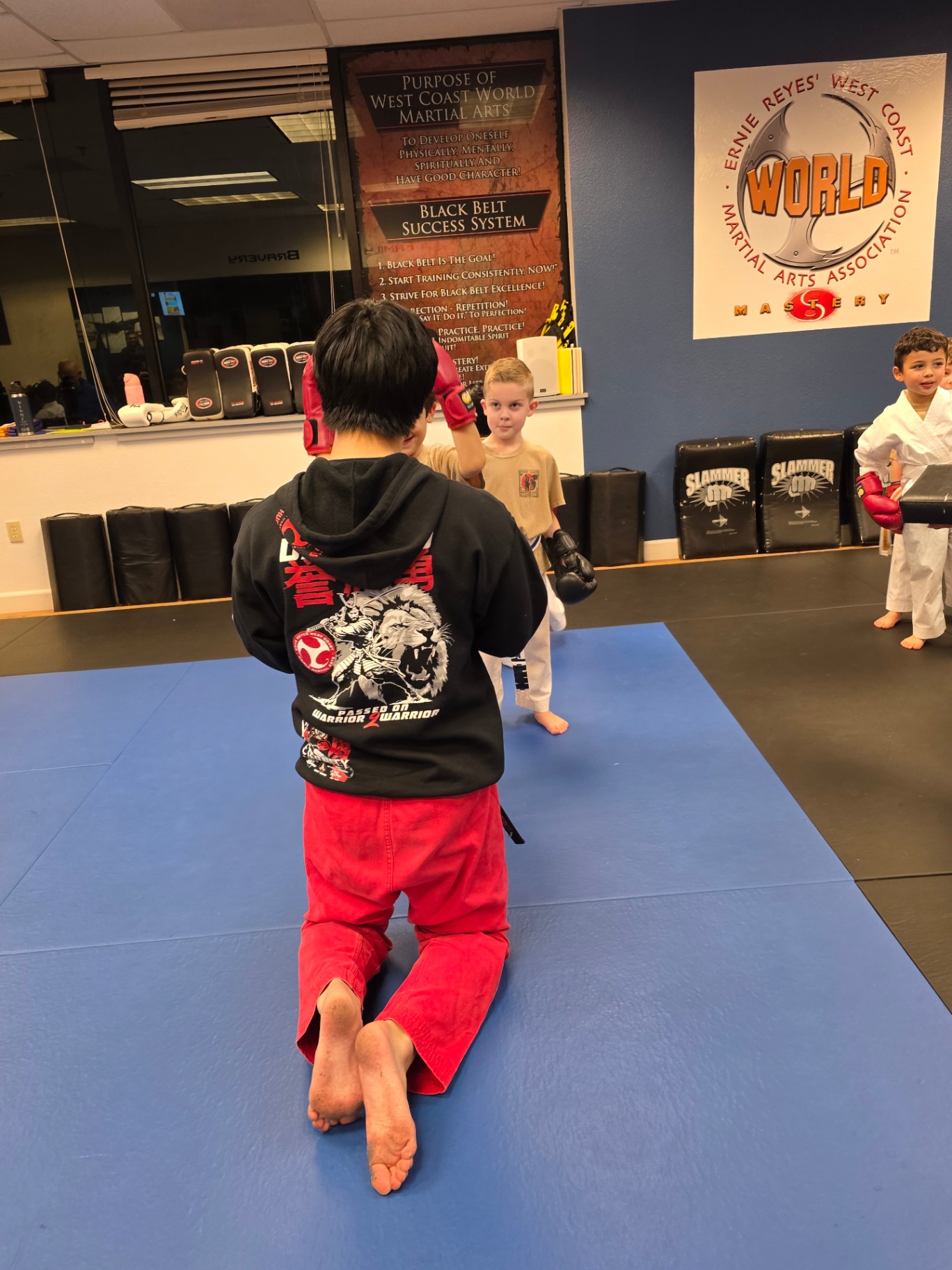
2. The "Ready Stance" Physical Reset
Have you ever noticed how a child’s posture changes when they are upset? Shoulders slouch, eyes wander, and their body becomes tense. In martial arts, we use the Ready Stance to signal to the brain that it is time to focus.
When a student enters a Ready Stance, they stand tall, feet shoulder-width apart, and hands in a position of controlled readiness. This physical shift forces a mental shift. It is nearly impossible to maintain a "meltdown" mindset while holding a posture of dignity and strength.
Actionable Tip: Use a Physical Anchor Identify a "reset posture" for your home. When you notice your child becoming overwhelmed, ask them to "Show me your Ready Stance." This gives them a physical action to focus on, moving their brain away from the emotional trigger and back into a state of control.
3. Turning Setbacks into "Focus Drills"
One of the biggest hurdles for emotional control is the fear of failure. In our El Dorado Hills classes, students will inevitably miss a kick or struggle with a new combination. Instead of viewing this as a failure, we frame it as a "Focus Drill."
We teach kids that frustration is just energy that hasn't been directed yet. By staying on the mat and trying again, they learn that setbacks aren't a reason to give up, they are a reason to focus harder. This builds emotional resilience, a key component of long-term self-control. You can read more about how this environment fixes common confidence mistakes.
Actionable Tip: Praise the "Try Again" Instead of praising the result (like getting an 'A' or winning a game), explicitly praise the moment your child chooses to try again after a mistake. Say, "I saw you get frustrated with that puzzle, but you chose to take a breath and try one more piece. That’s great focus!"
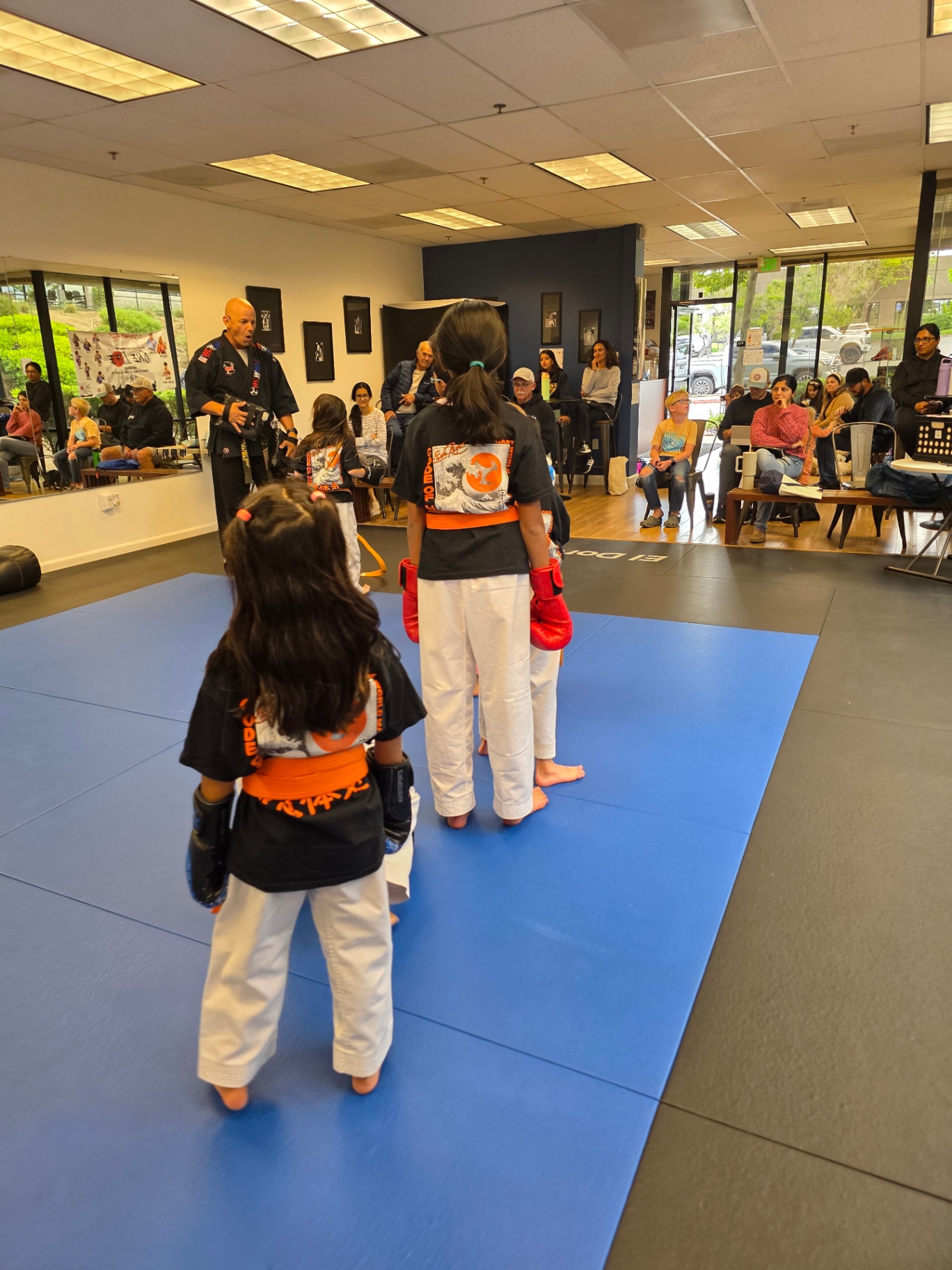
4. Respect as an Internal Guardrail
At West Coast World Martial Arts, respect isn't just about saying "Yes, Sir" or "Yes, Ma'am." It’s about recognizing boundaries: both your own and those of others. Respect provides a framework for social interactions that reduces conflict and emotional volatility.
When children learn to bow to their instructor and their peers, they are practicing a form of "pause." This ritualized respect teaches them to value the person in front of them, which naturally builds empathy. When a child has empathy, they are much less likely to react with impulsive anger during a disagreement.
Actionable Tip: The "Eyes on Me" Game Practice "Active Listening" at home. When you are giving instructions, ask your child to give you "Martial Arts Focus": eyes on the speaker and a still body. This small act of respect builds the "self-control muscle" needed for bigger emotional moments later.
5. Using Kinetic Release as a Safe Outlet
Sometimes, emotions are simply too big to be talked through immediately. Kids have a lot of energy, and suppressed energy often turns into emotional outbursts. Martial arts provides a safe, structured outlet for this "kinetic energy."
Striking a pad or performing a high-energy "kata" (form) allows a child to release tension in a way that is productive rather than destructive. They learn that they can be powerful and intense without being aggressive or out of control. This distinction is vital for children who struggle with impulsivity.
Actionable Tip: The "Energy Burst" Reset If your child is vibrating with nervous energy or frustration, give them a safe physical task. "Give me 10 of your strongest jumping jacks" or "Show me your fastest shadow-boxing combo for 30 seconds." This releases the physical tension, making it easier for them to engage their logical brain afterward.
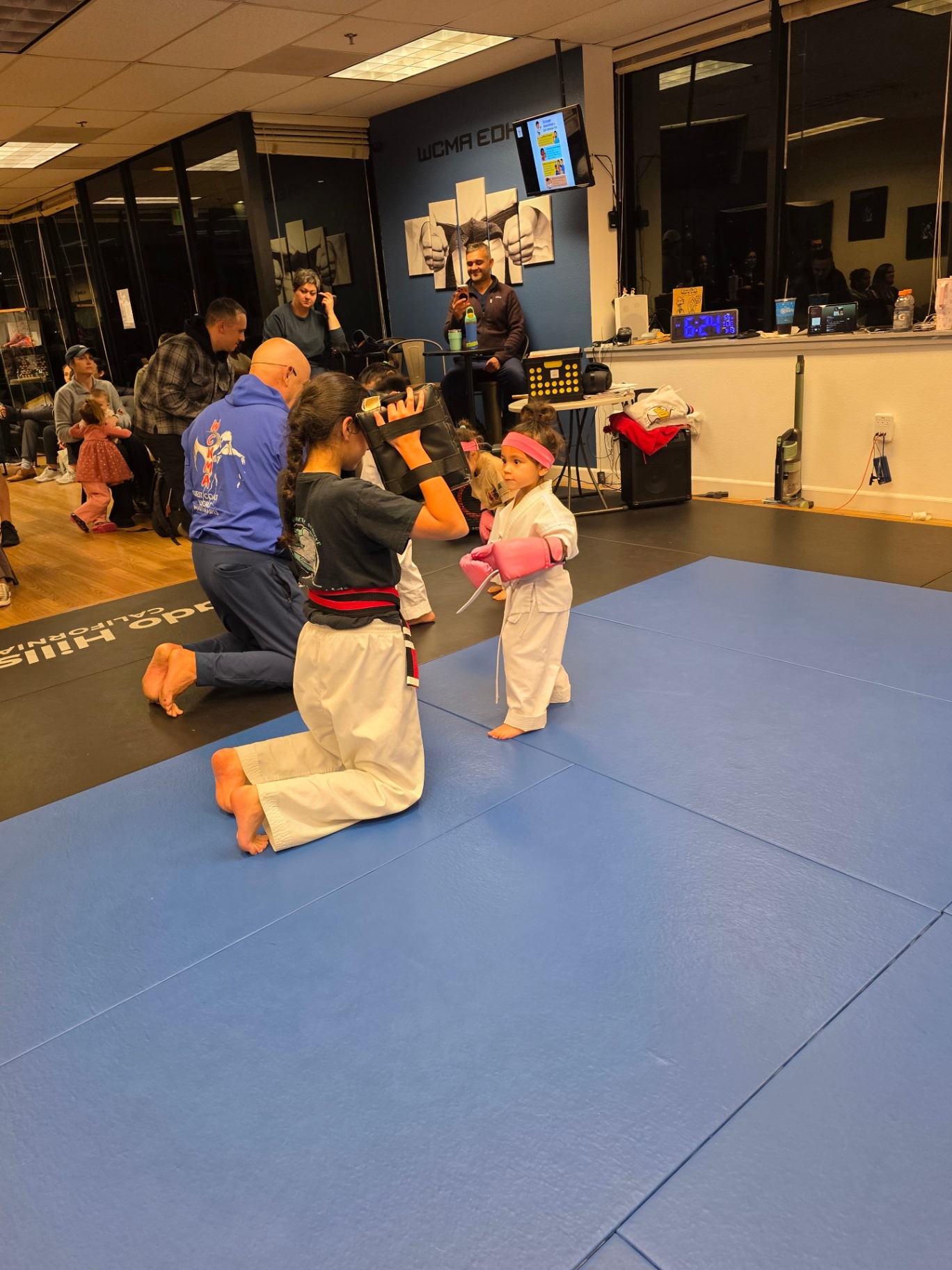
Your Journey to a Calmer Home Starts Here
Emotional control isn't a destination; it’s a journey of consistent, small wins. At West Coast World Martial Arts, we are proud to be a partner for El Dorado Hills families in this process. We don't just teach kids how to fight; we teach them how to not fight: both with others and with their own emotions.
Every time your child bows onto the mat, they are taking a step toward becoming a self-confident leader. They are learning that they have the power to control their actions, no matter how they feel inside.
Ready to see the "Secret" in action? If you want to help your child develop the discipline and emotional regulation they need to succeed in school and life, we invite you to join our community. Whether you're interested in improving their focus in the classroom or simply giving them a supportive environment to grow, we're here to help.
Join a class this week and start seeing the transformation in your child’s confidence and control!
Comments