

5 Steps to De-escalate Conflict: How El Dorado Hills Martial Arts Teaches Kids to Stop Bullies Without Fighting
As a parent, few things are more heart-wrenching than the thought of your child being picked on or bullied at school. Whether it’s an aggressive classmate or a digital conflict that spills into the playground, our first instinct is often to protect them. But the reality is that we can’t be there every second of the day. The most powerful gift we can give our children isn’t a bodyguard, it’s the inner strength and the practical skills to handle conflict themselves.
At West Coast World Martial Arts, we believe that the best fight is the one that never happens. While we are a premier mixed martial arts school in El Dorado Hills, our focus goes far beyond kicks and punches. We teach our students that physical self-defense is a last resort. The real "martial art" lies in de-escalation: the ability to stay calm, set boundaries, and walk away with dignity.
In this guide, we’ll break down five actionable steps your child can use to de-escalate conflict and stop bullies in their tracks before things turn physical.
Step 1: Harness the Power of Confident Body Language
The way a child carries themselves tells a story to the world. Bullies often look for "easy targets", children who appear unsure, nervous, or easily intimidated. One of the most effective ways to prevent a conflict before it even starts is through what we call the "Bully-Proof Stance."
In our Juniors martial arts program, we teach kids that confidence isn't about being loud; it’s about posture. When you stand tall with your shoulders back and maintain steady eye contact, you send a signal that you are not someone to be toyed with.
Actionable Tips for Home:
Practice the "Hero Pose": Have your child stand with their feet shoulder-width apart, hands at their sides (not in pockets), and their chin up.
The Eye Contact Drill: Challenge your child to hold eye contact with you for 10 seconds while they deliver a simple sentence.
Avoid the "Hunch": Remind them to keep their shoulders back. This small adjustment makes a huge difference in how others perceive them.

Step 2: Master the Art of Staying Calm (Emotional Control)
When a bully tries to provoke a child, they are looking for a reaction. They want to see fear, anger, or tears. If your child reacts with big emotions, the bully wins the first round.
De-escalation begins with self-control. We teach our students to "respond, not react." This means taking a split second to breathe before saying a word. By staying calm, your child keeps their "thinking brain" engaged, allowing them to make smart decisions instead of acting on impulse.
If you’re noticing your child struggles with emotional regulation, you might find our article on fixing mistakes in building confidence helpful.
Actionable Tips for Home:
The 3-Second Breath: Teach your child to take a deep breath and count to three before responding to a mean comment.
Role-Play Scenarios: Act out a scene where you say something slightly annoying and have them practice staying "cool as a cucumber."
Acknowledge Emotions: Validate their feelings at home so they feel safe expressing them. A child who feels understood is less likely to explode under pressure.
Step 3: Use a Strong, Clear Voice
Many parents worry that teaching a child to "talk it out" makes them look weak. In reality, it takes immense courage to speak up. The goal of verbal de-escalation is to set a firm boundary without being aggressive.
We encourage our Lil' Dragons and older students to use "I" statements and short, clear commands. Shouting or using insults only adds fuel to the fire. A calm, firm voice, however, can often deflate a bully's momentum.
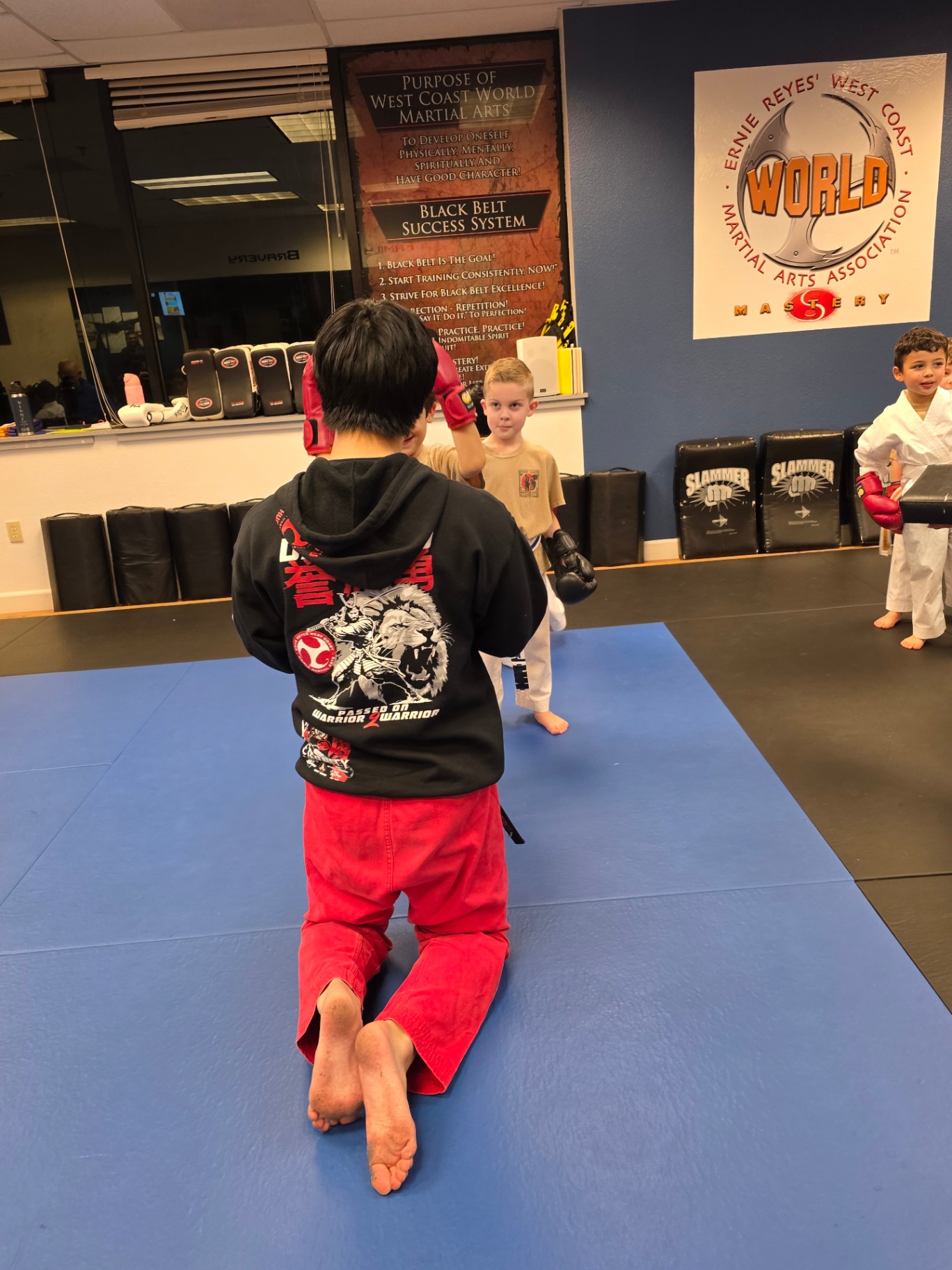
Actionable Tips for Home:
Practice "The Script": Help your child memorize 2-3 firm phrases like, "Stop, I don't like that," or "Leave me alone, please."
Volume Control: Practice the difference between a "whisper," a "talking voice," and a "strong boundary voice."
Maintain Distance: Teach them to keep about two arm-lengths of distance when speaking to someone who is being aggressive.
Step 4: The "Exit Strategy" (Walking Away)
There is a common misconception that walking away from a fight is "quitting." We teach our students that walking away is a victory. It shows that you have the discipline and self-respect to refuse to be dragged into someone else's drama.
If the verbal boundary doesn't work, the next step is to leave the situation. This isn't about running away in fear; it’s about a purposeful relocation to a safe area where adults or other friends are present. For more on how this builds life-long maturity, check out the benefits of martial arts.
Actionable Tips for Home:
Identify "Safe Zones": Ask your child where the "safe spots" are at their school (e.g., near the teacher’s desk, the library, or the lunch monitors).
Reporting vs. Tattling: Clarify the difference. Tattling is to get someone in trouble; reporting is to keep someone safe. Always encourage reporting.
The "No-Look" Walk: Practice walking away without looking back over their shoulder, which can sometimes re-engage the bully.
Step 5: Physical Self-Defense as a Last Resort
We hope our students never have to use their physical skills in a real-world conflict. However, knowing they can defend themselves provides the very confidence they need to de-escalate verbally. It’s the paradox of martial arts: the more capable you are of fighting, the less likely you are to feel the need to prove it.
In our classes, we focus on non-violent control techniques. Instead of striking, we teach kids how to neutralize a grab, escape a hold, or safely maintain distance until help arrives. This approach is much more compatible with school "zero-tolerance" policies.
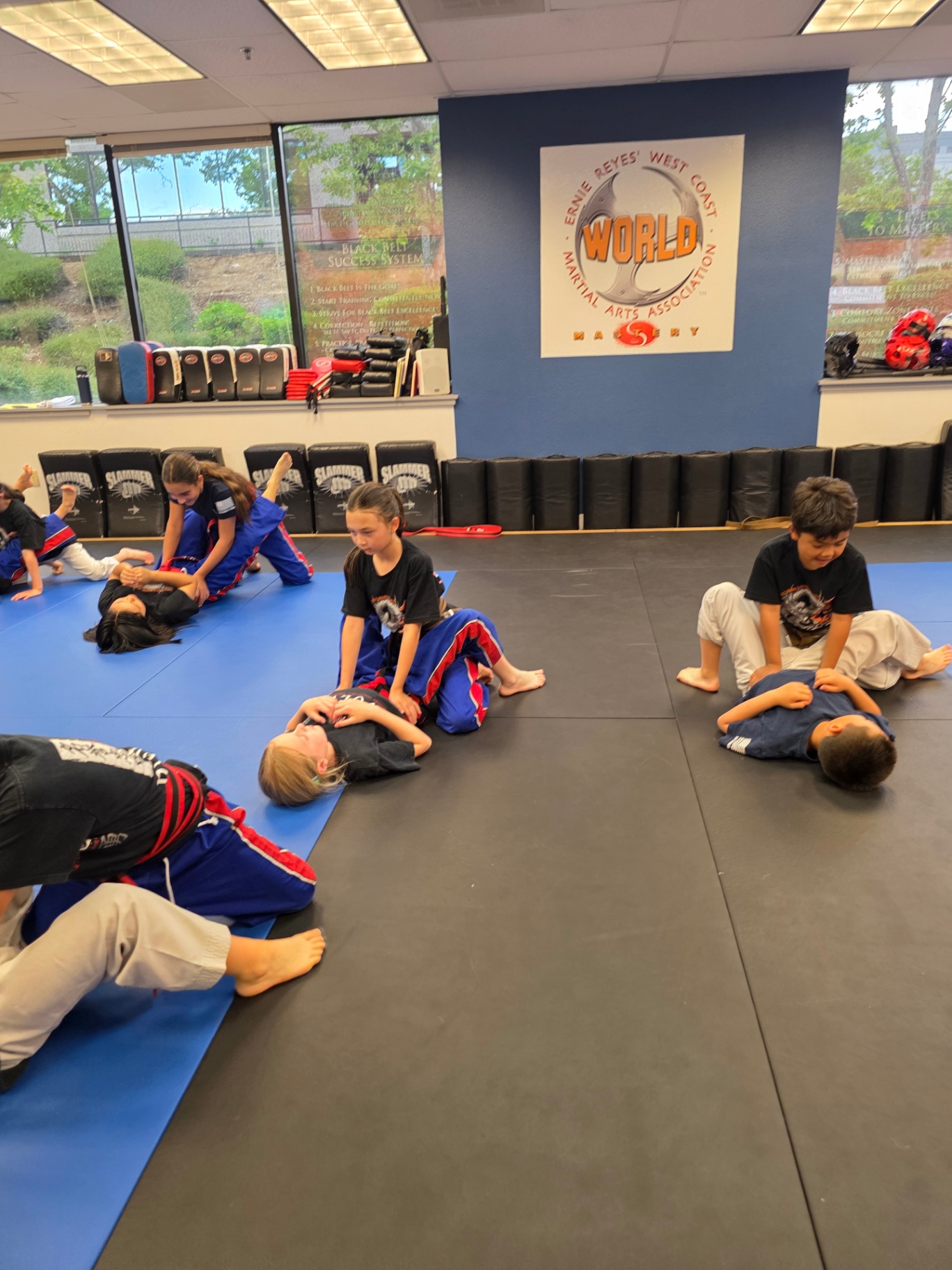
Actionable Tips for Home:
Focus on Awareness: Play "I Spy" or awareness games to help your child notice who is around them and what's happening in their environment.
Check out our Bully-Proofing Guide: For more specific mistakes to avoid, read our post on bully-proofing in El Dorado Hills.
Enroll in a Trial Class: There is no substitute for practicing these skills in a safe, structured environment with professional instructors.
Empowerment Starts Here
Bullying is a complex issue, but your child doesn't have to face it alone. By teaching them these five steps: Confidence, Calmness, Clear Communication, Exit Strategies, and Last-Resort Defense: you are giving them a toolkit for life.
The journey to becoming a self-confident leader starts with a single step. At West Coast World Martial Arts, we are committed to providing a supportive, family-oriented environment where your child can grow both physically and mentally. Whether they are 3 years old or a teenager, we have a program tailored to their needs.
Are you ready to see your child walk taller and speak with more confidence? Join our community in El Dorado Hills and let's build a safer, more resilient future for your kids together.
Comments