

7 Mistakes Parents Make with Martial Arts Confidence (And How to Fix Them)
Hey there, West Coast World Martial Arts family! Gary Merlo here.
We see it every single day on our mats: a shy kid walks in, eyes glued to the floor, barely whispering their name. Then, a few months later, that same kid is standing tall, shouting their "Kiai!" with power, and leading the warm-ups. It’s the most rewarding part of what we do.
But here’s the truth: as much as our instructors work to build that "Black Belt Excellence," the biggest influence on a child’s confidence is actually YOU, the parents.
We know you want the absolute best for your kids. You want them to be bulletproof against bullies, focused in school, and brave enough to try new things. However, even with the best intentions, it’s easy to fall into a few "confidence traps" that can accidentally slow down your child’s progress.
Let’s look at the seven most common mistakes we see parents make and, more importantly, how you can fix them to help your child truly shine.
1. The Comparison Trap
The Mistake: "Look at how high Sarah is kicking! Why aren't you doing that?"
It is so tempting to look at the other kids in our Juniors program and compare your child’s progress to theirs. You see another student who started at the same time but already has their next stripe, and you wonder what’s going wrong.
When we compare our kids to others, we accidentally send the message that they are "less than" or that their value is tied to being better than someone else. This is a massive confidence killer.
The Fix: Focus on "Personal Best." Martial arts is an individual journey. The only person your child should be trying to beat is the version of themselves that walked onto the mat yesterday.
Actionable Tip: Instead of pointing out another student, ask your child: "What’s one thing you did better today than you did last week?" When they realize they are improving at their own pace, their self-motivation skyrockets.
2. Shielding Them From Every Failure
The Mistake: Trying to fix every problem so they never feel "bad."
Nobody likes to see their child upset. If they lose a point in sparring or struggle to remember a form, your instinct might be to tell them the instructor was wrong or that "it didn't really matter."
By shielding them from failure, we actually rob them of the chance to build resilience. If they never learn how to handle a small "loss" in the safety of our dojo, they won’t have the tools to handle big challenges in the real world.
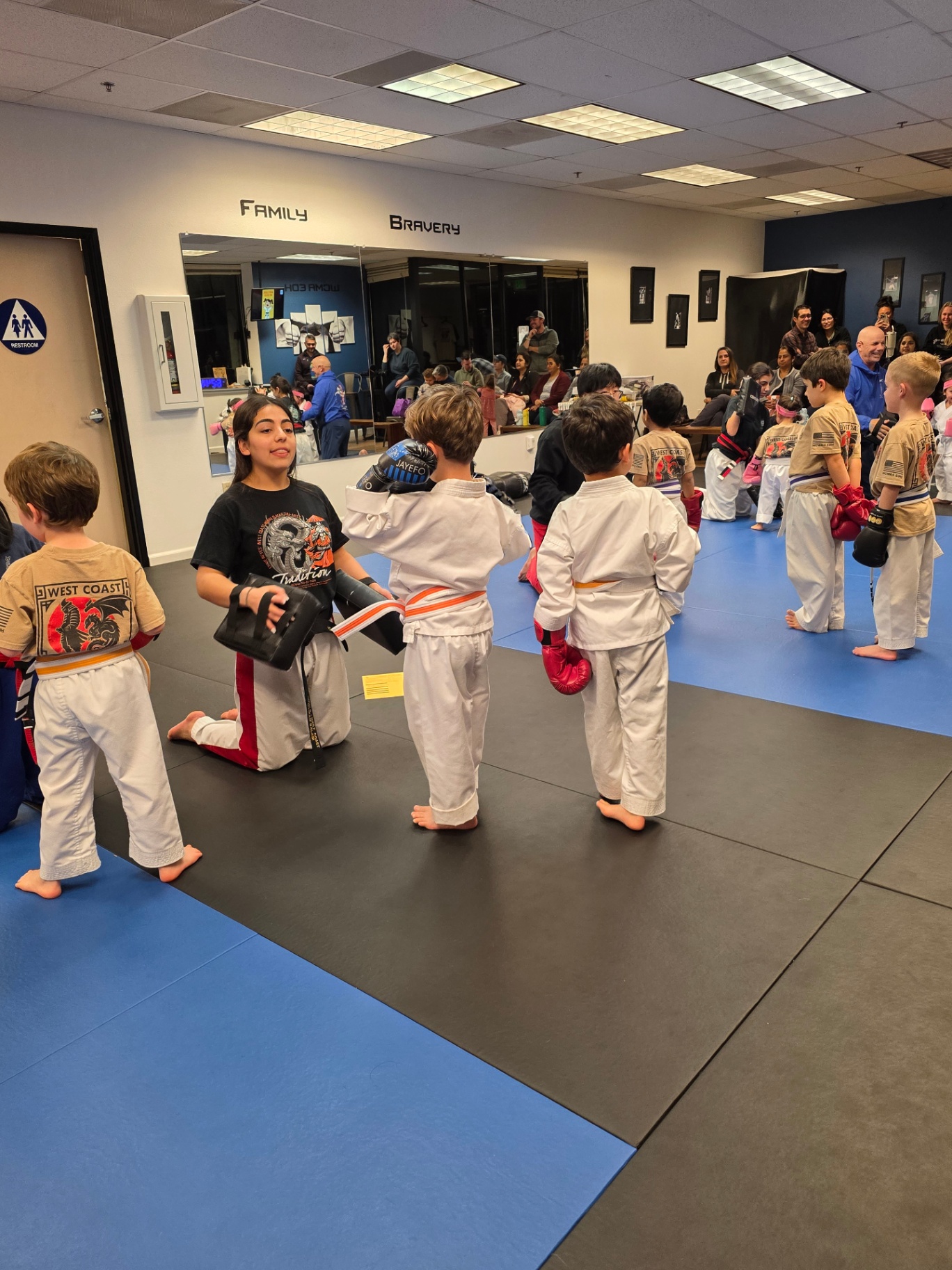
The Fix: Normalize the "Muck Up." At West Coast World Martial Arts, we believe failure is just feedback. It’s how we learn. If they miss a belt promotion or struggle with a drill, acknowledge that it’s tough, but don’t fix it for them.
Actionable Tip: Use the phrase "Not yet." Instead of "I can’t do this," help them say, "I can’t do this yet." This small shift creates a growth mindset that is essential for long-term confidence. For more on this, check out our Parent Resources.
3. Allowing the "I'm Bored" Exit
The Mistake: Letting them quit the moment the "honeymoon phase" ends.
Every new student starts with a ton of excitement. They love their new uniform and their sparring gear. But eventually, the "work" kicks in. They realize that getting a Black Belt requires discipline and repetition.
When a parent says, "Well, they just aren't into it anymore," and lets them quit, it teaches the child that when things get hard or "boring," the solution is to walk away. This creates a cycle of starting and stopping that prevents them from ever feeling the deep confidence that comes from true mastery.
The Fix: Commit to the Goal, Not the Feeling. Confidence isn't a feeling you start with; it’s a reward you get for finishing what you started.
Actionable Tip: Set a "non-negotiable" milestone. Tell your child, "We committed to getting your Orange Belt. Once you reach that goal, we can sit down and talk about whether you want to continue." Most of the time, once they hit that goal, the sense of accomplishment is so high they won't want to stop!
4. The "Backseat Sensei" Syndrome
The Mistake: Constant criticism or "correcting" from the sidelines (or in the car ride home).
We see it all the time: the "Car Ride Critique." You watched the whole class, and you noticed your child’s hands were down or they were distracted. You want to help, so you spend the drive home pointing out everything they did wrong.
While you’re trying to help, your child often hears this as: "I can't even do my hobby right in my parent's eyes." This turns the dojo into a place of pressure rather than a place of growth.

The Fix: Be the Cheerleader, Not the Coach. Your job is to provide the love and the ride to the gym. Our job is to provide the technical corrections. Let the instructors handle the "hands up" and "pivot your foot."
Actionable Tip: Use the "Car Ride Rule." The only things you should say about their performance on the way home are: "I loved watching you train today," or "I was so proud of how hard you worked during that last drill." Save the coaching for us!
5. Praising Only the Flawless Results
The Mistake: Only giving high-fives when they win a trophy or get a new stripe.
If we only celebrate the "big wins," kids start to believe that they are only valuable when they are perfect. This leads to anxiety. They might become afraid to try new, harder techniques because they are scared of looking "imperfect."
The Fix: Praise the Effort and the Process. Confidence comes from knowing you can handle the work. We want to celebrate the "sweat," not just the "gold."
Actionable Tip: Next time your child finishes a tough session in our Adult & Teen program or Juniors class, praise a specific effort. "I saw you were tired, but you did those last ten push-ups anyway. That’s what a leader does." This builds an identity based on hard work, which is much more stable than an identity based on perfection.
6. Being the "Helicopter" with Their Gear
The Mistake: Doing everything for them: from carrying their bag to tying their belt.
It seems like a small thing, but when we do everything for our kids, we are subtly telling them: "I don't think you can handle this yourself."
Independence is a cornerstone of confidence. A child who can manage their own shin guards and sparring feet is a child who feels capable and "grown-up."

The Fix: Step Back and Let Them Lead. Encourage them to take ownership of their martial arts journey. This includes packing their own bag and keeping track of their belt.
Actionable Tip: Create a "Gear Station" at home. Let them be responsible for making sure their uniform is clean and their chest gear is ready for class. When they walk into the school carrying their own bag, they walk in with a sense of purpose.
7. Using Shame as a Motivator
The Mistake: Using phrases like "Don't be a baby" or "You're embarrassing me."
Sometimes, when a child is nervous or having a "meltdown" on the mat, parents feel embarrassed. In the heat of the moment, it’s easy to snap and use shame to get them to behave.
Shame is the opposite of confidence. It makes a child want to disappear and hide. It attacks their identity rather than addressing their behavior.
The Fix: Build a Growth Identity. Help your child see themselves as a "warrior in training." Warriors get scared. Warriors make mistakes. But warriors don't give up.
Actionable Tip: If your child is struggling with anxiety (which we see often, and it's totally normal!), check out our post on how martial arts helps with anxiety. Instead of shaming the fear, acknowledge it: "It’s okay to feel nervous. Let’s take a deep breath and go out there together."
The Path to Black Belt Excellence
Building confidence isn't about a single "talk" or one great class. It’s a slow, steady process of showing up, failing, learning, and trying again.
At West Coast World Martial Arts, we are your partners in this journey. Whether your child is just starting out in our Lil' Dragons class or they are working toward their advanced ranks, the way you support them at home makes all the difference.
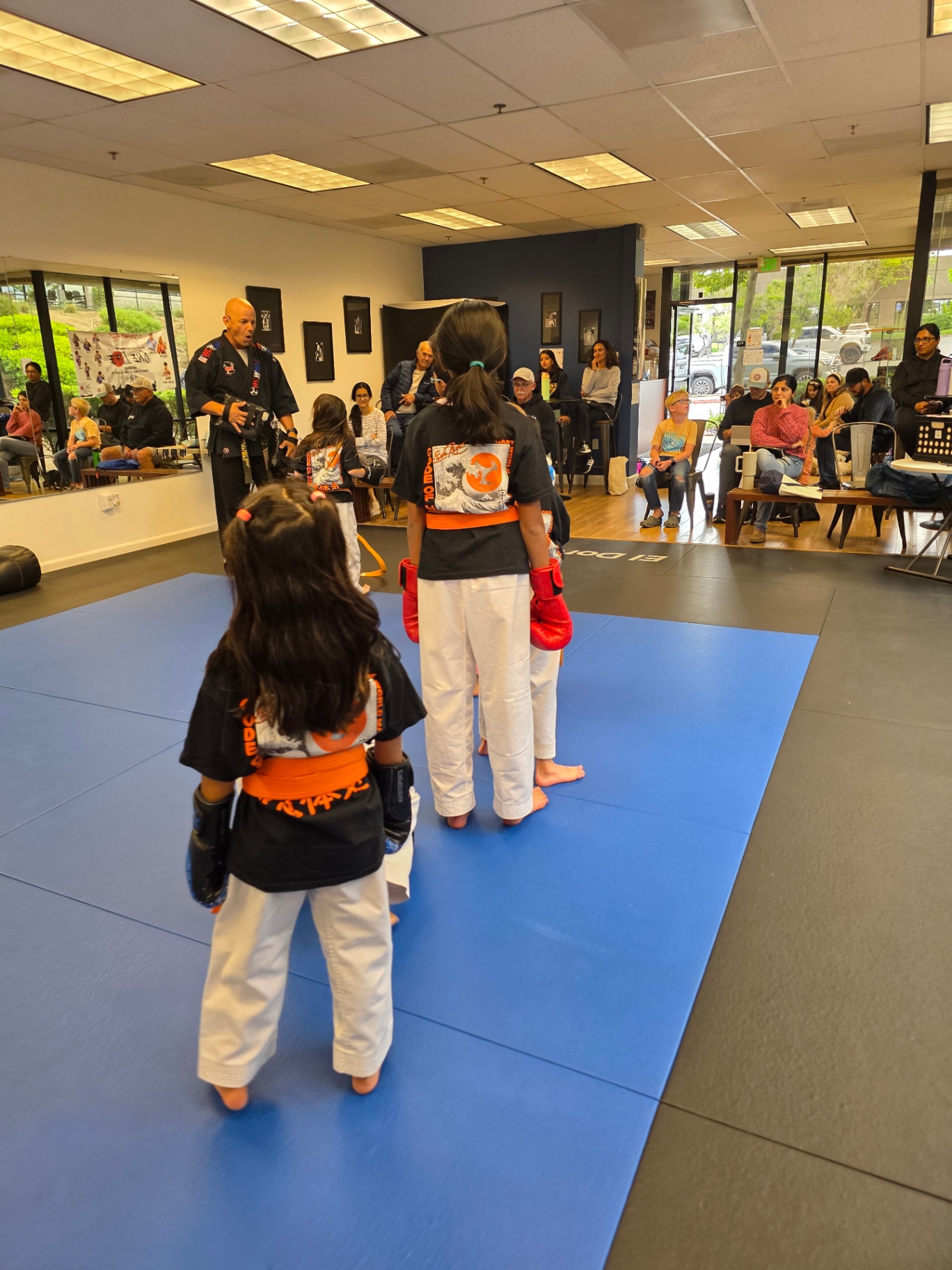
Remember:
Track progress, not perfection.
Celebrate the effort, not just the belt.
Be their biggest fan, and let us be their coach.
By avoiding these common mistakes, you’re not just helping them become better martial artists: you’re helping them become confident, resilient humans who are ready to take on the world.
See you on the mats!
: Gary Merlo Owner, West Coast World Martial Arts
P.S. Looking for more ways to support your child's journey? Visit our blog for more tips on focus, discipline, and success stories!
Comments