

Are You Making These Common Self-Defense Mistakes? (What El Dorado Hills Families Need to Know)
When it comes to protecting your family, good intentions aren't enough. Many El Dorado Hills families believe they're prepared for dangerous situations, but common self-defense mistakes can turn protective instincts into life-threatening vulnerabilities. The reality is that most people make critical errors in their approach to personal safety: errors that could cost them everything when it matters most.
You don't have to be a martial arts expert to protect yourself and your loved ones effectively. However, you do need to understand what doesn't work and why. Let's explore the most dangerous self-defense mistakes families make and give you the knowledge to avoid them.
The "I'll Just Run Away" Trap
Your first instinct might be to run from danger, and sometimes that's absolutely the right choice. But here's what many people don't consider: real-world escape isn't like the movies. You're dealing with uneven ground, loose gravel, locked doors, steep inclines, and physical barriers that can instantly stop your escape.
Before you find yourself in a dangerous situation, take time to genuinely assess your surroundings. When you're walking to your car in the Whole Foods parking lot or heading to your front door after dark, identify actual escape routes: not theoretical ones. Look for obstacles that could trip you up, doors that might be locked, or areas where an attacker could corner you.
The key is developing situational awareness as a habit. This doesn't mean living in fear; it means being realistic about your environment and having backup plans that actually work.

Relying Too Heavily on Outside Help
"I'll just call 911" sounds like a solid plan until you realize that when seconds count, police response takes minutes. Factor in phones that won't unlock under stress, calls that won't connect, or situations where you simply can't reach your phone, and this strategy becomes dangerously unreliable as your primary defense.
You need to be prepared to protect yourself first. This doesn't mean you shouldn't call for help: absolutely do when possible. But your safety plan must include what you'll do while waiting for help to arrive.
Consider carrying a personal alarm, learning basic self-defense techniques, or exploring martial arts training that builds both physical skills and mental preparedness. The goal is giving yourself options when outside help isn't immediately available.
Fighting with Imaginary Rules
Here's a hard truth: real-world confrontations don't have referees or rules. Many people, especially those with some martial arts background, unconsciously limit themselves to "fair fighting" techniques. In a genuine self-defense situation, techniques like groin strikes, eye rakes, and small-joint manipulation aren't unsportsmanlike: they're survival tools.
This mental shift is crucial. Your goal isn't to win a competition or prove your honor. Your goal is to create enough distance and disruption to escape safely. Abandon any fairness mindset when your life or your family's safety is at stake.
Training programs that emphasize real-world self-defense rather than sport fighting help build this proper mindset. Look for instruction that teaches you to use every advantage available when facing a genuine threat.
Home Defense Blind Spots
If you keep a firearm or other self-defense tool for home protection, it only works if you can access it when needed. Many families keep these tools in bedrooms or safes but then move throughout their homes without them. This leaves you vulnerable when checking the mailbox, answering the door, or investigating unusual sounds.
Develop a realistic plan for accessing your defense tools quickly from different areas of your home. This might mean multiple secure storage locations or a carry system that keeps protection within reach while maintaining safety from children.

The Property vs. Life Calculation
Pride and ego can be deadly in self-defense situations. If you discover an intruder in your home and your family is safe elsewhere, ask yourself: is your property worth your life? Material possessions can be replaced; you cannot.
This doesn't make you a coward: it makes you smart. Professional security experts consistently emphasize risk versus reward calculations. If family members are safe and away from the threat, sometimes the correct choice is leaving the area and calling police rather than confronting the danger directly.
Train your family to understand when confrontation is necessary (protecting lives) versus when it's optional (protecting property). This clarity can prevent unnecessary risks and tragic outcomes.
Training Mistakes That Limit Your Effectiveness
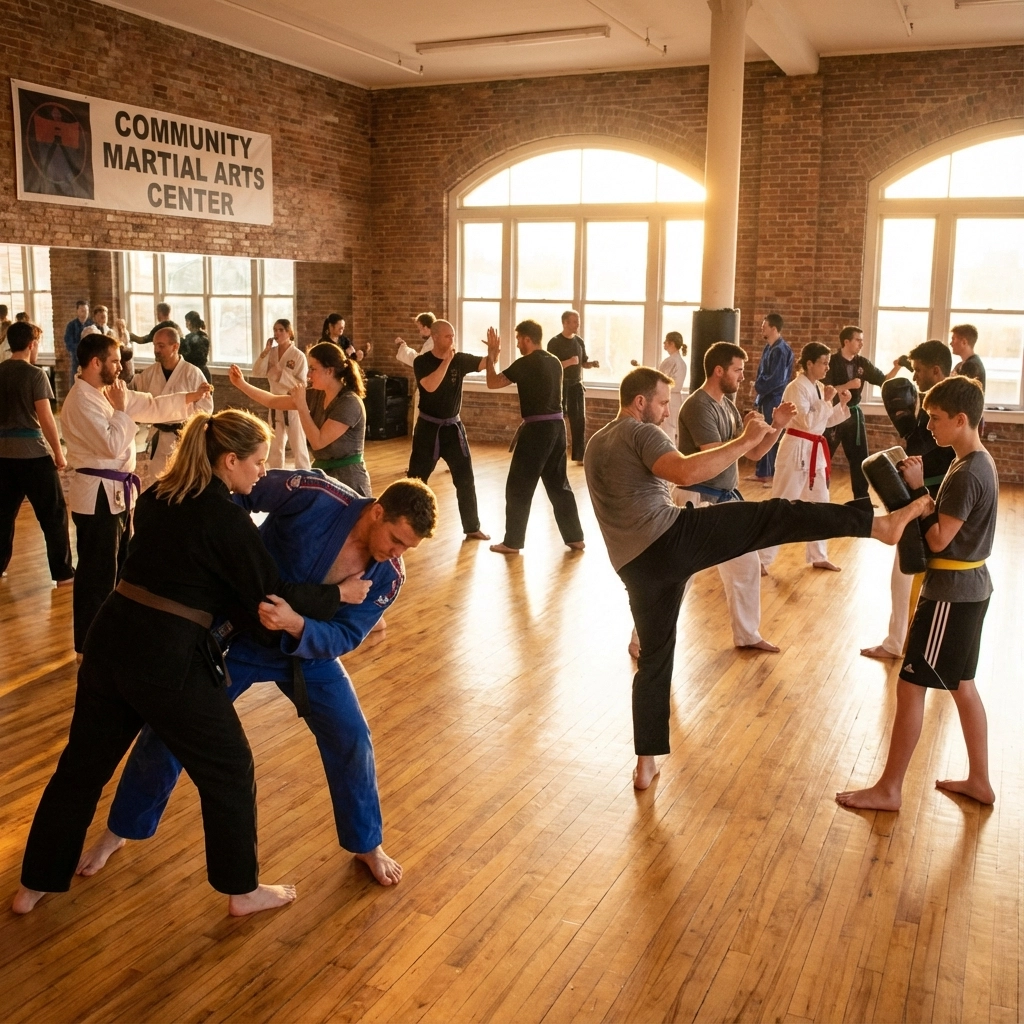
One of the biggest training errors is believing there's only one "right way" to handle self-defense situations. Every martial art, every instructor, and every technique has strengths and limitations. Training in only one approach leaves gaps in your abilities.
After you've developed a solid foundation in one discipline, seek out additional qualified instructors. Compare techniques and adapt them to your personal abilities and body type. What works perfectly for someone else might not be optimal for your size, strength, or mobility level.
This variety in training also prepares you for unpredictable real-world situations. Different attacks require different responses, and cross-training gives you options when your primary technique isn't available or effective.
The Over-Repetition Problem
Practicing the same drill repeatedly might seem like good preparation, but it can actually harm your ability to adapt to real situations. If you always practice the same response to the same type of attack, you're training for a very specific scenario that might not match reality.
Mix up your practice sessions. One day focus on close-range situations; the next work on longer-range approaches. Vary the scenarios, the timing, and the conditions so your skills transfer to unpredictable encounters. This variation builds adaptability: one of the most important aspects of effective self-defense.
Legal Pitfalls That Can Destroy Your Life
Many families don't realize that most homeowner's insurance policies include "intentional injury provisions" that specifically exclude acts of self-defense. While accidental injuries might be covered, deliberately injuring someone: even to protect yourself: typically falls outside coverage. Insurance companies also won't cover criminal investigations or charges resulting from self-defense actions.
Understanding your local self-defense laws before you need them is crucial. What constitutes justified self-defense? What are your duties to retreat or de-escalate? When does defense of property become legally questionable? Consult with an attorney who specializes in self-defense law to understand your rights and responsibilities.
Building Your Family's Action Plan
Start with an honest assessment of your home and daily routines. Walk through your property and identify genuine escape routes, not wishful thinking. Establish clear communication plans for emergencies. Who calls 911 first? Where do family members go? What's your meeting point if you're separated?
Practice this plan regularly with your family. When actual emergencies occur, people revert to their training, not their good intentions. Make the plan simple enough that everyone can remember it under stress, but comprehensive enough to handle different scenarios.
Consider professional martial arts training that emphasizes real-world self-defense rather than sport competition. Look for programs that teach situational awareness, de-escalation techniques, and physical skills as an integrated system rather than isolated techniques.
Your Next Steps
Self-defense isn't about becoming a warrior: it's about making smart decisions and having realistic options when facing danger. Start by addressing the most common mistakes in your current approach. Develop genuine situational awareness, create workable escape plans, and understand the legal implications of your choices.
Most importantly, invest in proper training that prepares you for real-world situations rather than ideal scenarios. Your family's safety deserves more than good intentions and wishful thinking. With the right knowledge and preparation, you can avoid these common mistakes and build confidence in your ability to protect what matters most.
Remember: the best self-defense situation is the one you avoid entirely through awareness and smart choices. But when avoidance isn't possible, having real skills and realistic plans makes all the difference.
Comments